

Understanding the Construction Equipment Market Before You Buy
Imagine browsing listings for construction equipment for sale and finding hundreds of machines across dozens of categories, price points, and conditions. Mini-excavators sit alongside 50-ton dozers; auction lots compete with certified dealer inventory; and online platforms list units from three continents at once. Without a clear framework, it is easy to overspend, undersize, or buy a machine that drains your budget in maintenance costs within the first year. That single wrong decision can cost thousands of dollars—and weeks of lost productivity.
This guide exists to prevent exactly that outcome. Whether you are comparing used construction equipment from a private seller or evaluating a brand-new unit on a dealer lot, the principles covered here apply across every buying scenario. The goal is straightforward: help you identify the right machine for your projects first, then choose the smartest way to buy it.
What the Construction Equipment Market Looks Like Today
The global construction equipment market is valued at roughly USD 240.58 billion in 2026 and is projected to grow at a 6.16% CAGR through 2035. Within that broader landscape, the used segment alone is estimated at USD 132.67 billion in 2026, expanding at a 5.63% CAGR through 2031. Those numbers tell you something important: pre-owned machinery is not a niche corner of the industry—it represents a massive, mature market with its own pricing dynamics, buying channels, and risk factors.
Buyers today can choose from three broad segments. New equipment offers the latest technology, full warranties, and manufacturer financing, but at premium acquisition costs. Used machinery delivers significantly lower upfront pricing and slower depreciation, though it demands sharper inspection skills. Certified pre-owned programs from major OEMs sit in the middle, bundling dealer-backed warranties with inspected, late-model machines. Each segment serves different budgets and project timelines, and understanding the trade-offs between them is the first step toward a purchase you won't regret.
Who This Guide Is For
You don't need to be a fleet management veteran to benefit from what follows. This article is built for three core reader groups that face overlapping but distinct challenges:
- Contractors scaling operations — You've outgrown rental agreements and need owned assets to control costs on longer projects. Sizing, total cost of ownership, and timing your purchase are your biggest leverage points.
- Small business owners buying a first machine — The sheer variety of equipment types, conditions, and seller channels can feel overwhelming. You need a clear path from "What do I actually need?" to a confident transaction.
- Fleet managers replacing aging units — You understand machinery, but balancing depreciation curves, emergency procurement needs across regions like Florida, Georgia, South Carolina, and Alabama for heavy equipment, and evolving emissions standards adds layers of complexity to every replacement cycle.
Regardless of which group you fall into, the decisions ahead share the same structure. Here are the key areas this guide will walk you through:
- Equipment types and what each category actually does on a job site
- How to match machine size and capacity to your specific projects
- The new-versus-used decision as a strategic business choice
- Total cost of ownership beyond the sticker price
- A hands-on inspection checklist for evaluating used machines
- Buying channels compared—dealers, auctions, private sales, and online platforms
- Market timing and seasonal pricing patterns
- Red flags that should stop any purchase immediately
Think of this as a single resource covering the full buyer journey, from initial research to final handshake. Every section that follows tackles one piece of that journey—starting with a closer look at the equipment categories themselves and what sets each one apart on real job sites.
Equipment Types Explained From Excavators to Graders
Browsing listings for used equipment for sale often means scrolling through filter menus—"excavator," "loader," "dozer"—without any real explanation of what each machine does or why you'd choose one over another. Those labels assume you already know the difference. If you're purchasing your first machine or stepping into an unfamiliar category, that assumption can lead you straight to a costly mismatch between what you buy and what your job site actually demands.
This section breaks down each major equipment category by its core function, real-world applications, and the specs that matter most when you're evaluating a purchase. Understanding these distinctions before you contact any construction equipment supplier puts you in a far stronger negotiating position.
Excavators and Their Primary Applications
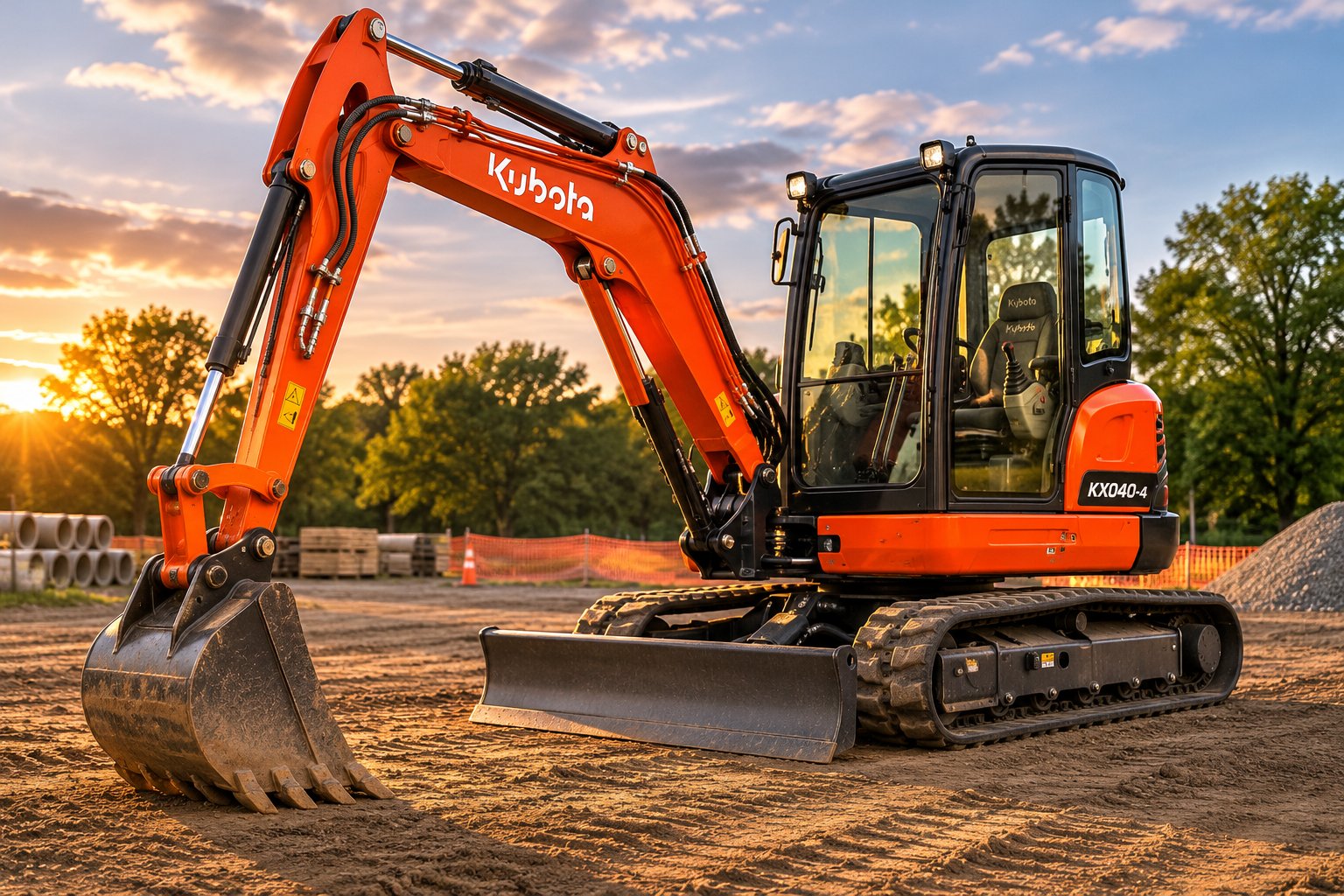
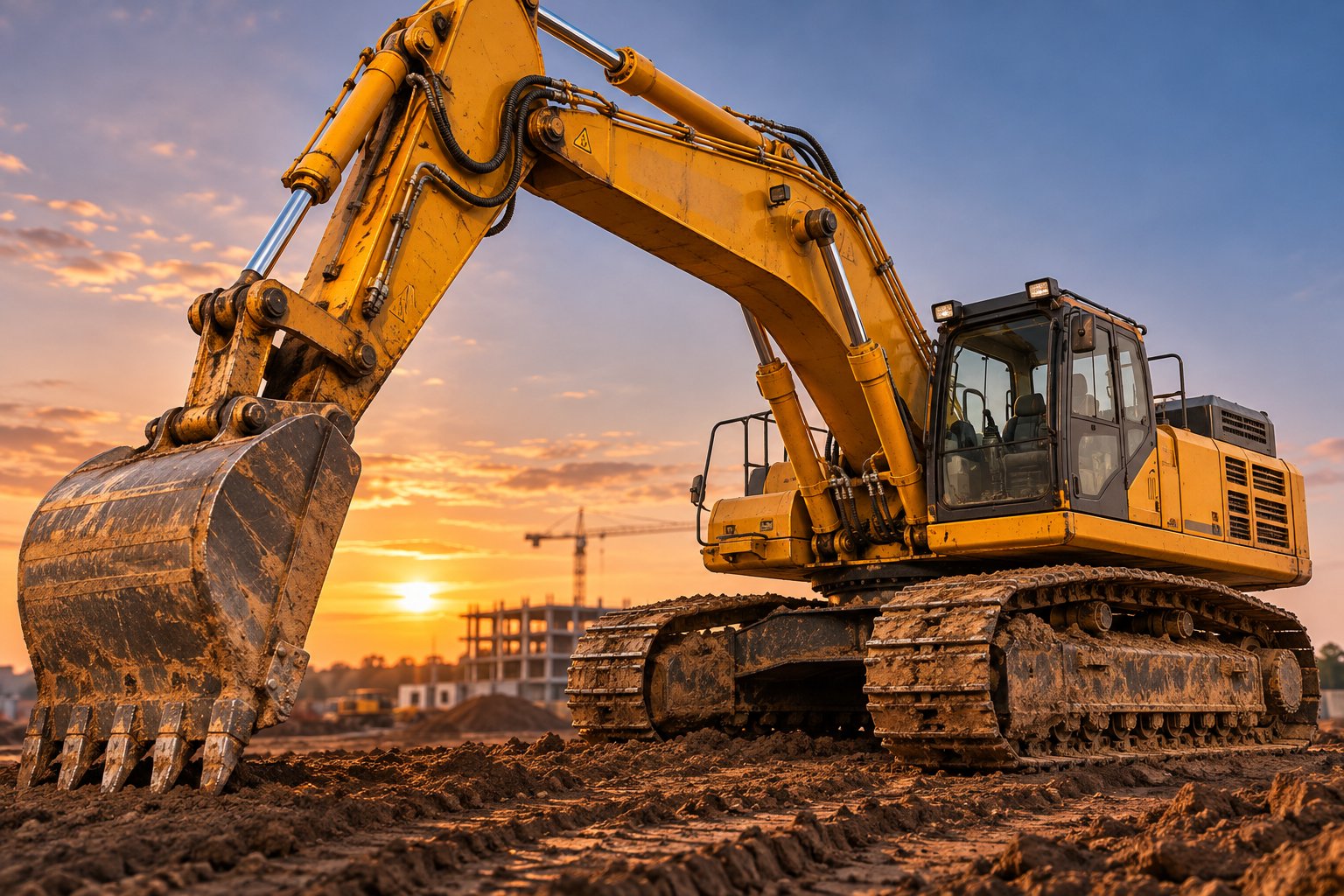
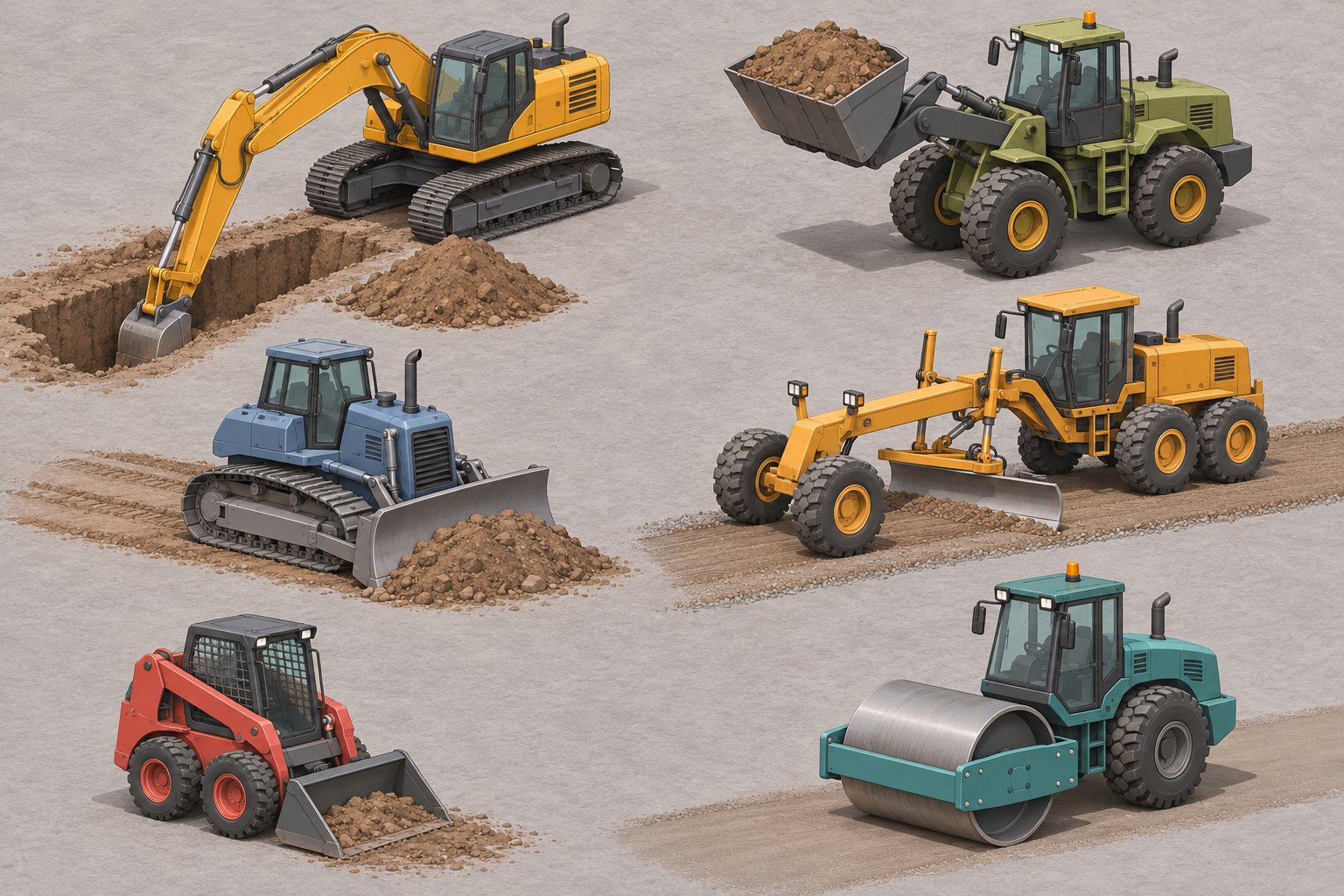
If there's one machine that earns the title of most versatile on a construction site, it's the excavator. At its core, an excavator is built around a rotating upper structure (called the house) mounted on tracks or wheels, with a boom, stick, and bucket that work together to dig, lift, and place material with precision.
What makes excavators so widely used is the sheer range of tasks they handle. Digging foundations, trenching for utilities, demolishing structures, loading haul trucks, shaping drainage channels—an excavator can shift between all of these roles, often in a single workday. Swap the bucket for a hydraulic breaker, a thumb attachment, or a grapple, and the machine's capability expands even further.
When you're evaluating an excavator at equipment auctions or dealer lots, three specs deserve your closest attention:
- Operating weight — This determines the machine's stability, transport requirements, and the class of work it can handle. Mini excavators range from roughly 1.5 to 7 tons, midi units fall between 7 and 10 tons, standard machines cover 10 to 45 tons, and large excavators exceed 45 tons.
- Maximum dig depth — This tells you whether the machine can reach the bottom of your trenches or foundation cuts without repositioning or requiring a larger unit.
- Bucket capacity — Measured in cubic yards, bucket size directly affects cycle times when loading trucks or moving bulk material.
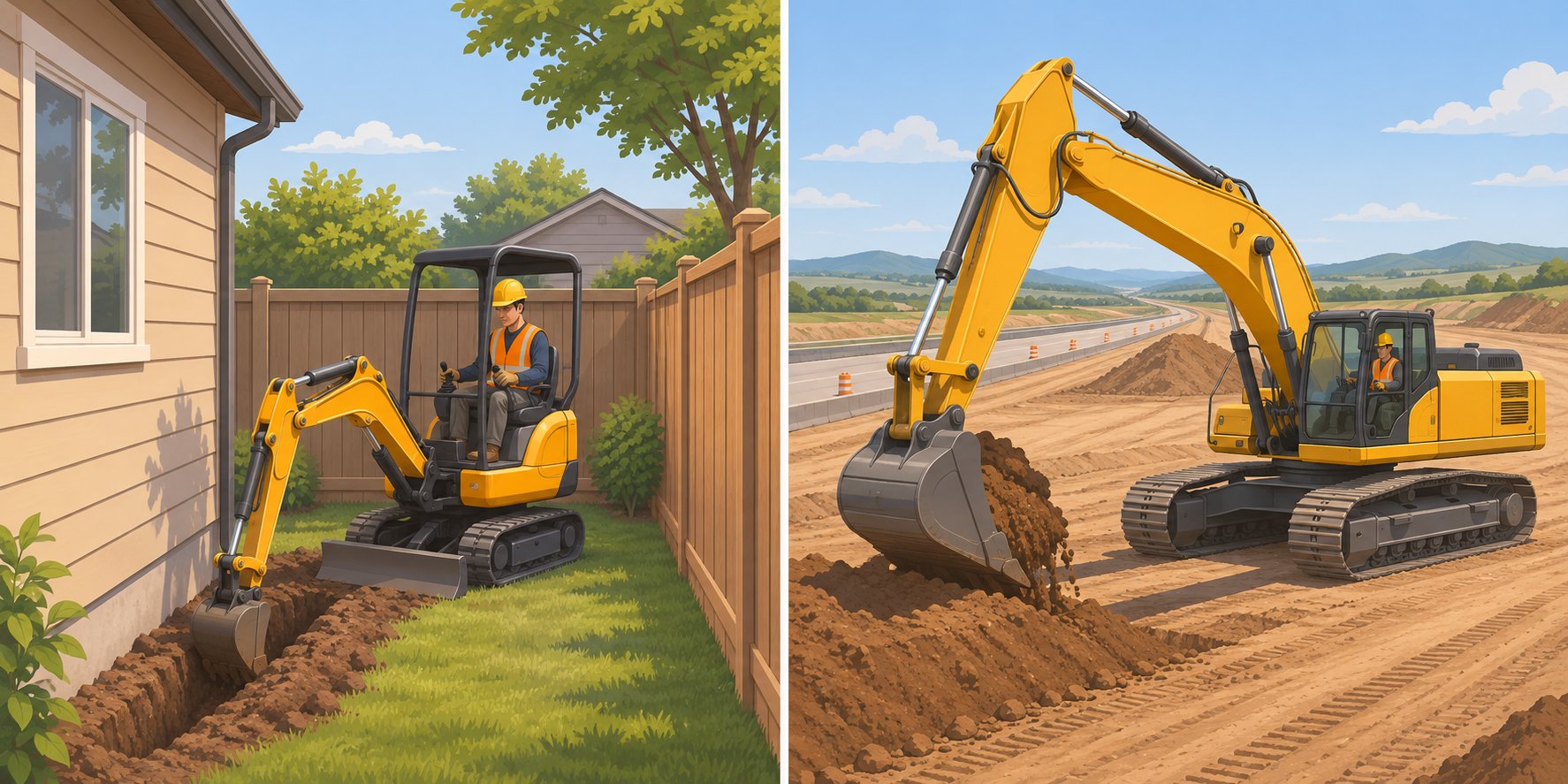
Compact and mini excavators suit residential utility work, landscaping, and tight urban lots. Mid-size units handle commercial site preparation and medium-depth trenching. Full-size and large excavators are built for highway construction, heavy civil projects, and mining operations where dig depth and breakout force are non-negotiable.
Loaders, Bulldozers, and Graders Explained
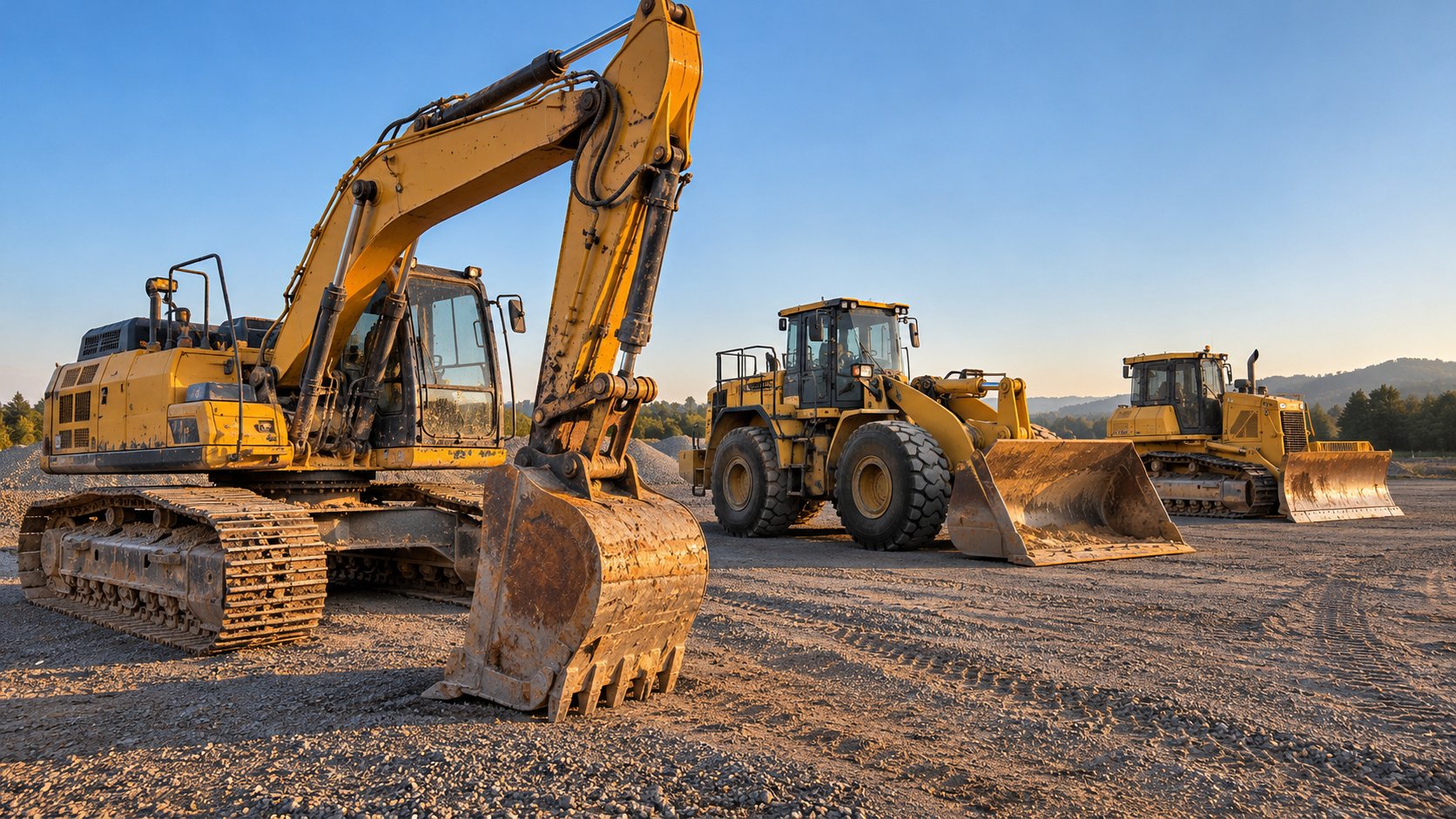
These three categories often get lumped together under "earthmoving," but each one serves a distinctly different purpose on the job site. Choosing the wrong one—or assuming they're interchangeable—wastes hours and money.
Wheel loaders are your primary material-moving machines. Equipped with a large front-mounted bucket, a loader's job is to scoop material from stockpiles and load it into trucks, hoppers, or staging areas. They excel at repeated load-and-carry cycles across defined routes, and their rubber-tire mobility makes them faster on paved or compacted surfaces than tracked alternatives. When fitted with pallet forks, a wheel loader can also handle material placement tasks typically associated with forklifts.
Bulldozers are pure pushing power. Their large front blade moves massive volumes of earth, clears vegetation, strips topsoil, and maintains haul roads. Tracked undercarriages give dozers exceptional traction on soft, uneven, or steep ground where wheeled machines would struggle. On most sites, a dozer handles the rough-grading phase—pushing material from high spots to low spots so that follow-on equipment can finish the surface. Many models also carry rear-mounted rippers that break up compacted soil or rock ahead of excavation.
Motor graders pick up where bulldozers leave off. Their long, adjustable blade—mounted between the front and rear axles—allows operators to produce precisely flat or sloped surfaces. Graders are essential for fine grading road subgrades, shaping drainage ditches, maintaining gravel roads, and dialing in the cross-slope needed before paving. If a bulldozer is the rough sculptor, the motor grader is the finish carpenter.
Understanding when each machine is essential prevents a common mistake: renting or buying a dozer for work that actually requires a grader's precision, or vice versa.
Specialty Equipment You Should Know
Beyond the primary earthmoving categories, four types of specialty equipment appear frequently in listings and deserve your attention—especially if your projects involve mixed tasks or constrained sites.
Telehandlers combine the lifting function of a forklift with the extended reach of a telescopic boom. They're the go-to machine when materials need to be placed at height—onto elevated decks, scaffolding, or rooftops—or over obstacles that prevent ground-level access. Bobcat notes that the telehandler's defining value comes from reach and elevated placement rather than sustained loader-style carrying. With attachment swaps—buckets, pallet forks, crane jibs, and work platforms—a single telehandler can cover multiple material-handling roles.
Skid steer loaders thrive where space is tight and tasks change constantly. Their zero-radius turning capability lets them pivot in areas that would stall a wheel loader, and their attachment versatility is unmatched in the compact equipment class. Buckets, augers, trenchers, hydraulic breakers, snow blowers—a skid steer's usefulness is largely defined by the attachments available. Small-frame models suit landscaping and interior demolition; large-frame units handle heavier excavation and grading while still fitting through standard doorways and gates.
Compactors do exactly what the name implies: they increase the density of soil, gravel, or asphalt to ensure a stable foundation. Smooth drum rollers work best on granular soils and asphalt, while sheepsfoot rollers are designed for cohesive materials like clay. Vibratory models drive compaction energy deeper into the material layer. Skipping or under-sizing compaction is one of the fastest ways to create structural failures down the road—sometimes literally.
Backhoe loaders combine a rear-mounted digging arm with a front-mounted loader bucket, giving you two machines in one chassis. They're a practical choice for utility work, light excavation, backfill, and material handling on smaller sites where mobilizing separate machines isn't cost-effective. As BigRentz explains, the backhoe often becomes the "go-to" unit on jobs that involve a little bit of everything—digging from the rear, loading from the front, and repositioning quickly around the site.
| Equipment Type | Primary Use Cases | Typical Operating Weight Range | Key Specs to Evaluate |
|---|---|---|---|
| Excavator | Digging, trenching, demolition, material loading | Compact (1.5-7 tons) to large (45+ tons) | Operating weight, max dig depth, bucket capacity |
| Wheel Loader | Material moving, truck loading, stockpile management | Compact to full-size tiers | Bucket capacity, breakout force, lift height |
| Bulldozer | Grading, land clearing, pushing earth, ripping | Small (mini dozers) to large crawler dozers | Blade width, engine horsepower, undercarriage type |
| Motor Grader | Fine grading, road maintenance, drainage shaping | Mid-size to full-size | Blade length and articulation range, turning radius |
| Telehandler | Lifting and placing materials at height or over obstacles | Compact to full-size | Max lift height, forward reach, lift capacity at full extension |
| Skid Steer Loader | Compact site work, attachment-driven tasks, material handling | Small-frame to large-frame | Rated operating capacity, hydraulic flow, attachment compatibility |
| Compactor/Roller | Soil and asphalt compaction, surface stabilization | Walk-behind to ride-on heavy rollers | Drum width, centrifugal force, vibration frequency |
| Backhoe Loader | Combined digging and loading, utility trenching, backfill | Mid-size (typically 14,000-25,000 lbs) | Dig depth, loader bucket capacity, attachment options |
Each of these categories appears frequently in auction inventories and dealer listings, yet the differences in function, size, and ideal application can be dramatic. Selecting the right type is only half the equation, though. The next critical decision—whether to buy that machine new or used—carries financial consequences that ripple through your budget for years.
New Versus Used Construction Equipment for Sale and How to Decide
You've identified the right equipment type for your project. You know whether you need an excavator, a dozer, or a grader. But a second decision sits right behind that one—and it carries even larger financial consequences. Should you buy that machine new or used? Too many buyers treat this as a simple price comparison: "Which one is cheaper?" That's the wrong question. The right question is strategic: which option delivers the best return given your project timeline, utilization rate, and cash flow position?
When Buying New Equipment Makes Sense
New machines come with clear advantages that can justify the premium price tag under the right circumstances. Here's where investing in a factory-fresh unit typically pays off:
- Warranty coverage — Manufacturer warranties absorb unexpected repair costs during the critical early years of ownership. As SNPartners notes, this protection eliminates the financial uncertainty that comes with uncovered breakdowns, reducing both downtime and out-of-pocket expenses.
- Latest emissions and safety standards — Newer Tier 4 Final engines meet current regulatory requirements, keeping you compliant on government-funded projects that mandate emission standards. You also benefit from the most current operator safety systems and cab designs.
- Lower near-term maintenance — Every component is at zero hours. Filters, fluids, undercarriage components, and hydraulic seals are all fresh. Maintenance during the first several thousand hours is predictable and largely limited to scheduled service intervals.
- Manufacturer financing incentives — Dealerships frequently offer promotional interest rates, deferred-payment programs, and flexible terms on new units. These financing packages can significantly reduce the effective cost of acquisition when you factor in cash flow timing. John Deere Financial, for example, provides no-payment and no-interest introductory options on qualifying purchases.
- Predictable uptime for long-duration contracts — If you've secured a multi-year project and that machine will run daily, the reliability of a new unit helps protect your production schedule. Unplanned downtime on a critical-path piece of equipment doesn't just cost repair dollars—it stalls an entire job.
The pattern is clear: new equipment favors buyers who plan to operate the machine heavily over an extended period and who value predictability over initial savings.
The Case for Used Construction Equipment
Flip the scenario. Imagine you need a wheel loader for a six-month commercial site prep job, or you're a growing contractor who needs to stretch capital across multiple machines instead of sinking it all into one. This is where used construction equipment for sale becomes a genuinely smarter financial play—not a compromise, but a strategy.
The value proposition is compelling on several fronts:
- Significantly lower acquisition cost — Used machines can save you thousands compared to the original sticker price, freeing up capital for other operational needs. Even machines only a few years old often sell at a substantial discount from their new-equipment equivalent.
- Slower depreciation curve — Construction equipment depreciates most steeply during its first few years. Buy a used unit and you've already absorbed someone else's steepest depreciation hit. When you resell, your loss in value on a percentage basis is considerably smaller. Industry guidance confirms that buying used helps avoid the significant initial investment loss that comes with early-year depreciation.
- Proven reliability of well-maintained units — A machine with documented service records and consistent maintenance intervals can be just as dependable as a new one. Thousands of contractors run mid-life machines productively every day because those units were properly cared for.
- Wider selection of discontinued but capable models — The used market gives you access to machines that are no longer in production but still perform exceptionally well. Older model years with mechanical engines, for instance, appeal to operators and mechanics who prefer their simplicity over newer electronic systems.
- Faster ROI on shorter projects — Lower purchase price means fewer billable hours needed to recoup your investment. Construction Executive's ROI analysis methodology demonstrates that a used machine with remaining useful rental life can generate significant net positive cash flow well before the end of its depreciation cycle—especially at moderate utilization rates.
Used equipment also offers a speed advantage that's easy to overlook: availability. There's a near-endless supply of models from recent years available through platforms like IronPlanet auction company listings, regional dealers, and private sellers. When you need a machine quickly—say, to replace a down unit or respond to a fast-tracked contract—the used market often delivers faster than waiting on new-equipment production and delivery timelines.
Certified Pre-Owned and Rebuild Options
What if you want the cost benefit of used equipment but aren't comfortable accepting full as-is risk? That's exactly the gap that certified pre-owned (CPO) programs and professional rebuilds are designed to fill.
Dealer-certified used machines undergo multi-point inspections and typically come with limited warranties that cover major components for a defined period. You're paying more than you would for a comparable private-sale unit, but you're buying documented condition assurance and a layer of financial protection against hidden problems.
Professional rebuilds take the concept further. Programs like John Deere's Powertrain ReLife Plus replace major drivetrain components, perform complete machine inspections, and offer extended warranty coverage on replaced parts—up to four years or 8,000 hours in some cases. As one equipment manager quoted in the program overview put it, his team rebuilt a scraper tractor for about half the cost of a new one. That kind of economics makes rebuilds attractive for contractors who already own an aging machine they trust and want to extend its productive life rather than navigate the full buying cycle again.
For buyers evaluating iron bound auctions, IronPlanet listings, or any other marketplace, CPO and rebuild options represent a middle path worth investigating—especially on higher-value machines where the financial stakes of a hidden defect are steepest.
| Factor | New Equipment | Used Equipment |
|---|---|---|
| Upfront Cost | Higher — full retail pricing | Lower — significant savings versus new |
| Depreciation Rate | Steepest in first few years of ownership | Slower — initial steep decline already absorbed |
| Warranty | Full manufacturer warranty included | Typically none (unless CPO or dealer-backed) |
| Maintenance Predictability | High — all components at zero hours | Variable — depends on service history and condition |
| Parts Availability | Current production ensures full parts support | Generally available; older models may have longer lead times |
| Customization Options | Factory-configured to buyer's specifications | Limited to what's available on the market |
| Availability Speed | May involve production and delivery wait times | Typically faster — machines are ready for pickup or shipping |
| Technology and Compliance | Latest emissions standards and telematics systems | May require upgrades to meet current regulations |
Neither option is universally better. The smartest choice depends on your specific project length, budget structure, risk tolerance, and how many hours that machine will run each year. But here's the part most buyers miss entirely: even after you've settled the new-versus-used question, picking the wrong size within your chosen category can erase every dollar you saved. That sizing decision is where the next layer of cost control—or cost waste—lives.
Matching Equipment Size and Capacity to Your Jobs
A contractor who buys a great machine at a great price can still lose thousands if that machine is the wrong size for the work. Oversizing bleeds capital through higher fuel consumption, unnecessary transport costs, and idle capacity you're paying to finance but never fully using. Undersizing is just as damaging—pushing a compact excavator beyond its rated capability leads to slower cycle times, accelerated component wear, and project delays that ripple through your entire schedule. The sweet spot is a machine that fits the scope of your actual workload, not the most impressive spec sheet at a heavy equipment auction.
How to Match Machine Size to Your Project Scope
Choosing the right size starts with the job itself, not the equipment listing. Four variables should drive every sizing decision:
- Job site dimensions and access constraints — A tight residential lot with a narrow gate demands a different machine than a wide-open highway corridor. As Gregory Poole's excavator sizing guide explains, tail swing is a critical factor: larger excavators require more counterweight to remain balanced during rotation, and that rear extension can damage surrounding structures or endanger workers in confined spaces. Mini and small excavators with zero or near-zero tail swing solve this problem on urban and residential sites.
- Material volume to be moved or excavated — Daily production targets dictate bucket capacity and cycle speed. A machine that moves too little material per cycle forces longer working hours, while one that's far oversized sits idle between dumps.
- Required dig depth or lift height — If your projects demand deep utility trenches, the machine must reach bottom without repositioning. Hitachi's project selection guide stresses evaluating the reach, depth, and height capabilities of each machine against your actual task requirements—not just the most demanding scenario you might encounter once a year.
- Daily production targets — How many cubic yards or truckloads need to move each shift? Load capacity and cycle time together determine whether a machine keeps pace with the project schedule or becomes a bottleneck.
Here's a general framework for excavators and loaders across four sizing tiers to help you narrow the field:
Compact units—mini excavators under roughly 7 metric tons and small wheel loaders—are built for residential utility work, landscaping, and light commercial tasks where maneuverability and low ground pressure matter more than raw power. They're easier and cheaper to transport, often fitting on a standard trailer without oversize permits.
Mid-size machines handle the bulk of commercial site preparation, medium-depth trenching, parking lot grading, and utility installation. They offer meaningfully more dig depth and bucket capacity than compact units while still fitting through most site access points. Contractors browsing used heavy machinery listings will find this tier has the widest selection because it covers the broadest range of common project types.
Standard units—excavators in the 20- to 45-ton class and full-size loaders—serve large commercial, industrial, and municipal projects. They deliver the breakout force, lift height, and production speed needed for high-volume earthmoving and deep excavation.
Large machines exceed 45 metric tons and are purpose-built for highway construction, heavy civil work, mining, and mass excavation. These units require specialized transport, dedicated operators, and significantly higher fuel budgets. Buying into this tier only makes financial sense when your project volume and duration justify the carrying costs.
Common Sizing Mistakes That Cost Contractors Money
Even experienced buyers fall into predictable traps when sizing equipment. Luby Equipment identifies oversizing as one of the most frequent—and most expensive—errors contractors make. A full-size excavator might look impressive, but deploying it on residential utility work or confined commercial sites creates problems: higher fuel burn, potential site damage, and mobilization headaches that a mid-size unit would have avoided entirely.
The opposite mistake is equally costly. Choosing a compact machine to save on acquisition cost and then running it beyond its intended capabilities leads to premature hydraulic wear, slower production, and stressed components that shorten the machine's useful life. As Luby's analysis notes, undersized equipment doesn't just slow you down—it accelerates component failure and increases long-term repair expenses.
Three other sizing-related pitfalls deserve attention:
- Ignoring transport logistics — A machine that requires oversize permits and a lowboy trailer for every mobilization adds thousands in annual transport costs. If you're bidding projects across a wide region—say, construction equipment auctions in Texas or listings across multiple states—those mobilization expenses compound quickly. Factor trailer requirements and permit costs into your sizing decision, not just the purchase price.
- Failing to account for attachment compatibility — Hydraulic flow, auxiliary circuit pressure, and machine stability all determine which attachments a unit can run effectively. Ignoring hydraulic requirements upfront can result in poor attachment performance, increased cycle times, or even safety risks. If your business relies on breakers, augers, or grapples, verify that the machine's hydraulic system supports them before you commit.
- Buying for the exception instead of the rule — Some buyers size up to handle their single largest anticipated project, then spend the rest of the year burning excess fuel and capacity on routine work. The smarter approach is to match the machine to the majority of your workload and rent up for the occasional oversized job.
Before you start browsing any listing—whether it's a dealer lot, an online platform, or used steel construction for sale in a private transaction—answer these sizing questions honestly:
- What is the maximum dig depth or lift height my projects actually require?
- What are the site access width restrictions and ground-bearing weight limits I commonly encounter?
- What daily production volume do I need to maintain my project schedule?
- Will this machine serve multiple project types, or is it dedicated to a single application?
- What are my realistic transport capabilities—can I move this unit between sites without special permits?
- Am I planning for where my business is headed, not just where it is today?
That last question matters more than most buyers realize. Purchasing without considering future growth can result in outgrowing a machine sooner than expected, forcing a premature trade cycle that wipes out whatever savings the initial purchase provided. The goal isn't to buy the biggest or the cheapest—it's to buy the size that keeps earning its place in your fleet year after year.
Getting the size right protects your upfront investment. But the purchase price—whether you paid top dollar or found a deal—is only the first line item in what that machine will actually cost you over its working life. The expenses that accumulate after the sale are where the real financial surprises hide.
Total Cost of Ownership Beyond the Purchase Price
A machine's sticker price is the number that gets all the attention—and it's the number most likely to mislead you. Two excavators sitting side by side at construction equipment auctions might carry similar bid prices, yet one could cost you dramatically more over the next five years than the other. The difference lives in total cost of ownership (TCO): the complete financial picture from the day you sign the paperwork to the day you sell or scrap that unit. Ignoring TCO is one of the most expensive mistakes in heavy equipment sales, and it happens constantly because no one walks buyers through the math before the transaction closes.
Breaking Down the True Cost Beyond the Sticker Price
Think of TCO as an iceberg. The acquisition cost—the amount you pay upfront—is the visible tip above the waterline. Everything beneath it adds up to a far larger sum. Gregory Poole Equipment Company frames TCO as the real cost of purchasing and owning a piece of heavy equipment across its entire working life, accounting for every expense from routine oil changes to final resale value.
Here are the major components that make up that full picture:
- Acquisition cost — The purchase price or winning bid, including taxes, buyer premiums (common at auctions), and any dealer fees.
- Financing and interest — Unless you're paying cash, interest charges accumulate over the loan or lease term. Even promotional rates add meaningful cost over multi-year financing agreements.
- Insurance — Premiums vary based on machine value, intended use, geographic risk factors, and your claims history. Higher-value units carry higher premiums.
- Fuel or diesel consumption — This is often the single largest recurring operating expense. A dozer running eight hours daily at high throttle consumes dramatically more fuel than a mini excavator handling light-duty tasks, as Gregory Poole notes.
- Scheduled maintenance — Filters, fluids, greasing, undercarriage wear on tracked machines, tire replacement on wheeled units, and track pad changes all follow predictable intervals. These costs are manageable when planned for—and painful when ignored.
- Unscheduled repairs — Blown hoses, seized bearings, electrical failures. These expenses arrive without warning and often include expedited parts shipping or emergency technician callouts that inflate the bill further.
- Operator training — A new or unfamiliar machine may require operator certification, familiarization time, or specialized training for advanced features like GPS grade control. Untrained operators also tend to increase fuel burn and accelerate wear.
- Transportation and delivery fees — Moving heavy machinery between your yard and job sites costs money every time. Oversized loads require permits, pilot cars, and lowboy trailers—expenses that repeat with every mobilization.
- Resale or disposal value — The amount you recover when the machine leaves your fleet. This is the one TCO component that works in your favor, and it's heavily influenced by how well you maintained and documented the machine during ownership.
Here's the critical insight most buyers miss: a lower purchase price on a high-hour machine can easily result in higher TCO than a moderately priced low-hour unit. That "deal" you found might need a hydraulic pump rebuild within the first season, burn more fuel per hour due to an older engine, and command a lower resale price when you're done with it. The sticker price told you one story; TCO tells you the real one.
Fuel, Maintenance, and Insurance Considerations
Fuel consumption deserves special attention because it varies so dramatically across equipment types, operating conditions, and machine age. Engine size, throttle position, terrain, and idle time all influence how fast you burn through diesel. A fleet running older pre-Tier 4 engines will generally consume more fuel per hour than equivalent newer models engineered for improved efficiency. Even operator habits play a role—unnecessary high-throttle operation and excessive idling inflate fuel costs well beyond what the work actually demands.
Maintenance intervals also shift between engine generations. Newer Tier 4 engines incorporate diesel exhaust fluid (DEF) systems and diesel particulate filters that require their own service schedules. These components add maintenance items that older machines simply don't have. On the other hand, older machines may need more frequent fluid changes and closer monitoring of worn seals and aging hoses. Neither generation is inherently cheaper to maintain—the cost profiles are just different, and you'll want to understand which one aligns with your shop capabilities and parts sourcing.
Cleveland Brothers emphasizes that preventive maintenance is the most controllable lever in the TCO equation. Skipping routine service to save short-term dollars is a false economy that leads to catastrophic failures, extended downtime, and repair bills that dwarf the cost of the scheduled maintenance you skipped. Developing a proactive maintenance plan based on manufacturer recommendations and actual machine usage—and keeping detailed records of every service event—is one of the highest-return investments you can make as an equipment owner.
Insurance rounds out the recurring cost triad. Premiums tie directly to the declared value of your machine, its intended application, and your operating region. A high-value excavator used in demolition work will carry a steeper premium than a mid-range loader handling material in a controlled yard. As your machine depreciates, you'll want to periodically reassess coverage levels to avoid overpaying for insurance on a unit whose market value has dropped significantly since purchase.
Estimating Resale Value and Depreciation
Every piece of construction equipment starts losing value the moment it enters your fleet—but the rate of that loss is not constant. The depreciation curve is steep early and flattens over time. According to Heavy Vehicle Inspection's 2026 depreciation guide, well-maintained machines typically lose 40-50% of their purchase price within the first three years. The loss then moderates to roughly 8-12% per year through years four to six, and often plateaus near 25-35% of original value between years seven and ten before another significant drop occurs as major overhauls approach.
That curve has a direct implication for buyers: purchasing a used machine that's already past the steepest part of its depreciation means your ownership period carries a proportionally smaller value loss. You're essentially letting the first owner absorb the biggest hit.
Resale value, though, is not purely a function of age. The same industry analysis identifies five factors that determine what a buyer will actually pay for your machine when you're ready to sell, weighted by their relative influence:
- Operating hours (approximately 25% of resale value) — The single most influential factor. A machine at 4,000 hours versus 8,000 hours at the same calendar age retains significantly more value. Always verify hour-meter readings against documented service intervals to confirm accuracy.
- Maintenance history and documentation (approximately 22%) — Complete, verifiable service records with parts detail and technician sign-offs command measurable premiums. Machines with documented histories have been shown to sell for 15-20% more than identical units with incomplete or paper-only records.
- Physical condition (approximately 20%) — Paint, glass, cab interior, tracks or tires, and overall cosmetic presentation all influence buyer perception at the point of sale. Machines stored indoors or under cover consistently sell at higher prices than those left exposed to the elements.
- Make, model, and specifications (approximately 18%) — Brand reputation matters. Some manufacturers hold resale value better than others in specific markets. Common configurations also sell faster than highly specialized setups, which can sit longer and sell at a discount.
- Market timing (approximately 15%) — Selling during peak construction season versus winter, or during a used-equipment shortage versus an oversupplied market, can swing values by a meaningful margin. This is the one factor largely outside your control.
Notice something important about that ranking: the top three factors—hours, documentation, and physical condition—account for roughly two-thirds of the resale outcome, and all three are directly within your control during ownership. Requesting maintenance records and hour-meter readings before you buy isn't just about evaluating the machine's current condition. It's about projecting your own future costs and estimating what you'll be able to recover when it's time to sell.
The lesson is straightforward. Every maintenance dollar you spend, every service event you document, and every hour-meter reading you verify contributes directly to the machine's eventual resale value—and therefore reduces your true cost of ownership. Buyers who calculate TCO before they commit don't just avoid overpaying at purchase; they set themselves up to recover more at the exit.
Of course, all of these ownership cost projections depend on one foundational assumption: that the machine is actually in the condition you think it is when you buy it. Verifying that assumption—especially on used equipment—requires a structured, thorough inspection process that catches problems before your money changes hands.
The Used Equipment Inspection Checklist Every Buyer Needs
You've crunched the TCO numbers, sized the machine to your workload, and found a listing that looks promising. Everything on paper checks out. But paper doesn't tell you about the hydraulic cylinder that's weeping fluid behind the boom, the hairline frame crack hidden under fresh paint, or the hour meter that mysteriously reads lower than the wear patterns suggest. In used equipment sales, the gap between what a listing describes and what the machine actually delivers can cost you thousands—or save you thousands, depending on whether you catch the problems before your money moves.
This inspection checklist gives you a structured process for evaluating any piece of used heavy equipment before you commit. Whether you're standing in a dealer yard, walking a construction equipment auction lot, or meeting a private seller, these are the areas that reveal the machine's true condition.
Mechanical and Engine Inspection Points
Start with a cold start—literally. Arrive before the seller has warmed up the machine and ask to be the one who turns the key. A cold start reveals problems that disappear once the engine reaches operating temperature: hard cranking, excessive exhaust smoke, warning lights that flash and clear, and rough idle that smooths out as oil circulates. If the machine is already warm when you arrive, ask yourself why.
Pay close attention to exhaust color during startup. White smoke can indicate coolant entering the combustion chamber—a potential head gasket or liner issue. Blue smoke points to oil burning past worn rings or valve seals. Black smoke suggests incomplete fuel combustion, often from injector problems or restricted air intake. A brief puff on cold start can be normal; sustained colored smoke is a warning.
Next, check fluids before and during operation:
- Engine oil — Pull the dipstick and examine color and consistency. Dark, gritty oil suggests extended drain intervals or internal wear. Milky oil indicates coolant contamination, which is a serious red flag.
- Coolant — Look for proper level, clean color, and no oily film on the surface. Rusty or contaminated coolant signals neglected cooling system maintenance.
- Hydraulic fluid — Clarity matters. Clean hydraulic fluid should be relatively transparent in its original color. Cloudy, dark, or metallic-flecked fluid points to contamination, overheating, or internal component wear.
Listen for unusual engine noises at idle and under load—knocking, tapping, or grinding sounds that don't match normal operation. These acoustic clues often reveal bearing wear, valve train problems, or accessory drive issues that visual inspection alone would miss.
Finally, verify the hour meter. Equipment hours function like vehicle mileage—they're the primary measure of how hard a machine has worked. Higher hours don't automatically disqualify a machine, but the reading needs to align with the machine's overall wear patterns and documented service history. A suspiciously low reading on a machine showing heavy wear everywhere else is a contradiction that demands explanation.
Structural, Hydraulic, and Electrical Checks
Walk the entire machine slowly before you ever climb into the cab. You're looking for structural integrity issues that affect safety, performance, and resale value.
Frame and boom inspection: Examine the main frame, boom, stick, and all attachment points for cracks, deformation, or evidence of weld repairs. Structural problems may indicate the machine has been subjected to heavy abuse—impacts, overloading, or operating beyond its rated capacity. Poor-quality field welds, grinding marks that suggest crack repair, and misaligned components are all signs of past damage that may compromise structural integrity going forward.
Pin and bushing wear: Grab the bucket teeth or the stick and push side to side. Excessive play in pins and bushings translates directly into lost precision, increased stress on surrounding components, and eventual failure. Replacing pins and bushings across an excavator's front-end linkage is a significant repair expense that should factor into your offer price.
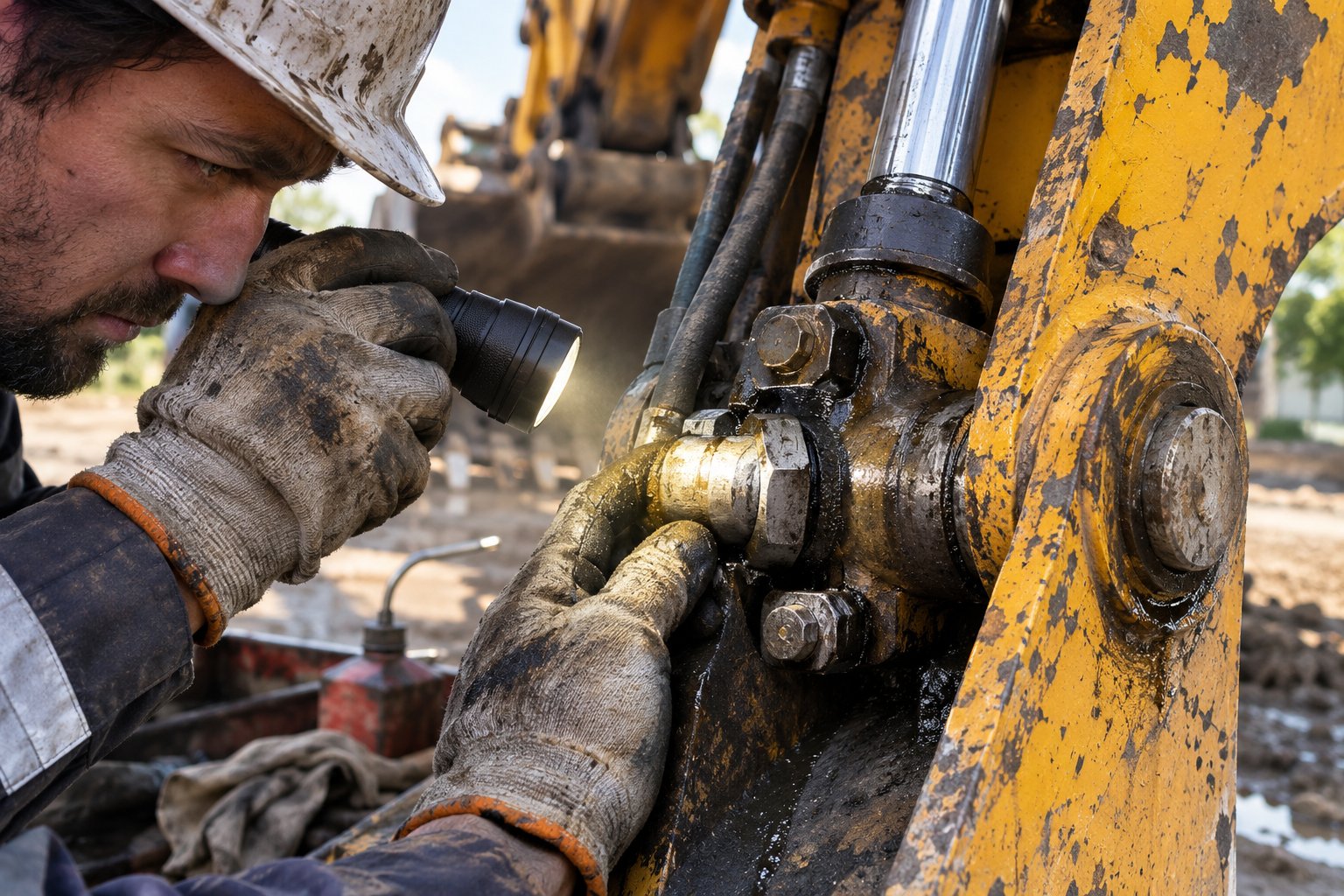
Hydraulic system performance: Operate every function—boom raise, stick curl, bucket curl, swing, and travel—and evaluate response speed, smoothness, and holding power. Slow movement, jerky operation, or weak lifting power all point to hydraulic problems ranging from worn pumps and tired cylinders to internal valve leakage. Walk around the machine while it's running and look carefully at every hydraulic cylinder rod, hose connection, and fitting for active leaks. Even small drips signal seals that are failing and will only get worse under sustained working pressure.
Undercarriage condition (tracked machines): This is one of the most expensive systems to replace on any crawler machine. Undercarriage repairs can quickly add thousands of dollars to ownership costs. Inspect track pads for remaining tread depth, check rollers and idlers for flat spots or seized bearings, examine sprocket teeth for hooked or worn profiles, and assess track tension. A machine with a worn-out undercarriage may look fine from the cab, but rebuilding tracks, rollers, and sprockets can rival the cost of a major engine overhaul.
Tire condition (wheeled machines): Check for uneven wear patterns, sidewall cuts, bulges, and remaining tread depth. Replacing tires can be a significant expense on large wheel loaders and graders, and worn tires affect traction, stability, and fuel efficiency.
Electrical system functionality: Test every gauge, warning light, and display in the cab. Cycle the lights—head, tail, work, and beacon—and confirm all safety interlocks function correctly (for example, the machine should not operate without the seatbelt engaged or the door closed, depending on the model). Non-functional gauges or bypassed interlocks suggest deferred maintenance at best, and intentional safety modifications at worst.
Don't overlook the cab interior itself. Operator comfort directly influences productivity—check seat condition, HVAC performance, control responsiveness, and overall visibility. A cab that's been neglected often mirrors the maintenance attention the rest of the machine received.
Documentation and History Red Flags
A machine can pass every physical inspection point and still be a financial trap if the paperwork is wrong. Documentation verification is where many buyers cut corners—and where some of the most costly mistakes originate.
Request complete maintenance logs before your visit. A machine with documented maintenance is often a safer investment than one with an unknown history, regardless of how good the machine looks. Service records showing consistent oil changes, filter replacements, hydraulic services, and major repairs at appropriate intervals tell you the previous owner treated the machine as an asset, not a disposable tool.
Verify the machine's serial number by physically inspecting the plate and the stamped frame number, then cross-reference both against the seller's documentation. Mismatched serial numbers are a red flag that stops the deal—they can indicate stolen equipment, cloned listings, or machines rebuilt from two separate wrecked units. If the number is ground off or the plate is missing, walk away immediately.
Title and lien verification is equally critical. Many pieces of construction equipment are never titled the way a car or truck is—ownership for excavators, dozers, and loaders often rests on bills of sale, original purchase invoices, and financing records rather than a single state-issued certificate. Confirm the ownership chain is unbroken and check for active liens by searching UCC filings with the state Secretary of State's office. A clear title does not necessarily mean a clear machine; a lender can file a lien against equipment without holding the paper title.
One of the most telling red flags is a disconnect between hour-meter readings and documented service intervals. If the records show a 500-hour oil change at a date that's inconsistent with the current meter reading and elapsed time, the hour meter may have been tampered with or replaced. This kind of inconsistency should trigger deeper investigation or a decision to walk away entirely.
| Inspection Area | What to Check | Warning Signs |
|---|---|---|
| Mechanical / Engine | Cold-start behavior, exhaust smoke color, idle stability, fluid condition (oil, coolant, hydraulic), unusual noises, hour-meter reading | Sustained colored exhaust smoke, milky or metallic-flecked fluids, knocking or grinding sounds, hour meter inconsistent with visible wear |
| Structural | Frame, boom, stick, and attachment points for cracks or weld repairs; pin and bushing play; overall alignment | Visible cracks, poor-quality field welds, grinding marks hiding repairs, excessive play in linkage pins, bent or misaligned components |
| Hydraulic | Cylinder rods, hose connections, and fittings for leaks; function response speed and smoothness; holding power under load | Active fluid leaks, slow or jerky cylinder movement, inability to hold a loaded bucket in position, spongy or delayed control response |
| Undercarriage / Tires | Track pad depth, roller and idler condition, sprocket tooth profile, track tension (tracked); tread depth, sidewall damage, wear patterns (wheeled) | Worn or cupped track pads, seized or flat-spotted rollers, hooked sprocket teeth, uneven tire wear, sidewall cuts or bulges |
| Electrical | All gauges, warning lights, displays, work lights, head and tail lights, safety interlocks, HVAC system | Non-functional gauges, bypassed safety interlocks, inoperative lights, HVAC failure, aftermarket wiring modifications |
| Documentation | Maintenance logs, serial number verification, title or bill of sale, lien search (UCC filings), ownership chain continuity | Missing or incomplete service records, mismatched serial numbers, unresolved liens, gaps in ownership chain, hour-meter readings inconsistent with service history |
For any high-value used equipment transaction, a pre-purchase inspection by a qualified independent mechanic is always recommended. A professional set of eyes catches issues that even experienced buyers overlook, and the inspection cost is negligible compared to the financial risk of an undiscovered defect.
A thorough inspection protects you from buying someone else's problem. But even a machine in excellent condition can become a bad deal if you buy it through the wrong channel—overpaying at a dealership when an auction would have saved you thousands, or chasing a low private-sale price without the protections that other buying channels provide. Understanding where to buy, and the trade-offs each channel carries, is the next piece of the puzzle.
Where to Buy Construction Equipment and How Buying Channels Compare
You know what type of machine you need, you've settled the new-versus-used question, and you have an inspection checklist ready to deploy. The next decision shapes the price you'll pay, the protections you'll receive, and the risk you'll carry: where do you actually buy? Each channel—dealers, auctions, private sellers, and online equipment suppliers—operates under a different set of rules, incentives, and trade-offs. Choosing the wrong one for your situation can erase thousands in savings or expose you to problems a different channel would have prevented.
Dealer Purchases Versus Private Sales
Walking into an authorized equipment dealer feels familiar, and for good reason—it's the closest experience to buying a vehicle from a traditional car lot. Dealers typically maintain inspected inventory, offer limited warranties on certified units, provide in-house financing, and employ service departments that can handle post-sale support. That convenience and risk reduction come at a cost, though. Dealer pricing reflects their overhead, reconditioning investment, and profit margin, so you'll almost always pay more than you would for a comparable machine sold privately.
Private sales flip that equation. A contractor selling a machine directly—whether through a classified listing, word of mouth, or a "construction equipment for sale near me" search—can often offer a lower price because there's no dealership margin built in. But the trade-offs are real:
- No warranty — Private transactions are virtually always as-is. Once your payment clears, every problem becomes yours.
- Limited recourse — If something was misrepresented, your options are narrower than they would be with a licensed dealer bound by commercial regulations.
- Verification burden — You're responsible for confirming title status, checking for liens, and validating the machine's history without dealer infrastructure supporting those steps.
- No financing assistance — Most private sellers expect cash, a cashier's check, or pre-arranged financing. You won't find promotional interest rates or deferred-payment programs here.
Private sales work best when you have strong mechanical knowledge (or access to an independent inspector), can verify ownership documentation yourself, and are comfortable negotiating without a structured sales process. For first-time buyers or those purchasing high-value machines, the guardrails a reputable dealer provides often justify the price premium.
Equipment Auctions and Online Marketplaces
Auctions represent one of the oldest and most active channels for buying and selling heavy machinery. Whether you're scanning listings for heavy equipment auctions in Texas or bidding on a crawler dozer at a regional yard sale, the mechanics follow a consistent pattern—and understanding them before you raise your paddle is essential.
Two primary formats dominate the auction landscape:
- Absolute auctions — The machine sells to the highest bidder regardless of price. These can produce genuine bargains, but they can also attract aggressive bidding that pushes the final price above fair market value when competition is high.
- Reserve auctions — The seller sets a confidential minimum price. If bidding doesn't reach that threshold, the machine goes unsold. Reserves protect sellers but can frustrate buyers who invest time inspecting and bidding on equipment that ultimately doesn't trade.
Both formats typically include a buyer's premium—a percentage added on top of your winning bid that compensates the auction house. Steffes Auctioneers notes that the buyer's premium is always stated in the auction terms and becomes part of your total purchase price. Industry-wide, these premiums commonly range from 10% to 15% of the hammer price, which means a machine you "won" at $40,000 could actually cost you $44,000 to $46,000 before transport. Failing to factor this in is one of the most common budgeting mistakes at auction.
Every auction item is sold as-is, where-is. That phrase carries real weight: you're buying the machine in its current condition, and you're responsible for removing it from the auction site within the designated loadout window. As-is means the buyer accepts all faults, whether known or unknown, with no warranty of any kind. Inspection before bidding isn't optional—it's your only protection.
Online marketplaces have expanded access further. Virtual equipment dealerships and digital platforms—including timed online auctions, OEM e-commerce sites, and aggregator listings—let contractors compare machines nationally rather than relying solely on whatever sits on the nearest dealer's lot. The global used construction equipment market is projected to nearly double from $120 billion in 2025 to $234 billion by 2035, and much of that growth is flowing through digital channels. Online marketplaces can reduce search costs and widen access to competitive pricing, but they vary significantly in the level of seller verification and machine inspection they provide. Some platforms offer third-party inspection reports and secure payment escrow; others function more like classified ad boards with minimal oversight.
If you plan to auction heavy equipment purchases into your procurement strategy, a few ground rules protect your budget:
- Set a firm ceiling price before bidding begins and include the buyer's premium in that number.
- Inspect in person or review detailed photo galleries, cold-start videos, and any available telematics data before you bid.
- Arrange financing and transportation ahead of time—auction timelines move fast, and payment deadlines are typically 24 to 48 hours after the sale closes.
- Avoid emotional bidding. Walking away from a lot that exceeds your ceiling is a win, not a loss.
Comparing Supplier Inventories for Your Project Needs
Beyond traditional dealers, auctions, and private listings, dedicated online equipment suppliers have carved out a distinct role in the market. These suppliers typically curate inventories organized by equipment category, making it straightforward to compare machines across types, specifications, and conditions without jumping between multiple unrelated platforms.
For example, JIUHONG's used construction equipment collection features excavators, loaders, bulldozers, and graders, allowing contractors, fleet managers, and equipment dealers to browse machinery organized by category, compare units for upcoming projects, and request purchase quotes directly. This kind of structured inventory presentation can save significant research time—especially when you're evaluating multiple machine types for a fleet refresh or a large project mobilization.
That said, no single channel should be your only source. The strongest buying strategy compares pricing, condition, and terms across multiple channels simultaneously. A machine listed by an online supplier might represent excellent value—or the same model might appear at a regional auction or local dealer at a different price point. Cross-referencing keeps you honest about market value and prevents you from anchoring to the first listing you see.
The table below summarizes how the four primary buying channels stack up across the factors that matter most to buyers:
| Buying Channel | Typical Price Range | Warranty Likelihood | Inspection Availability | Risk Level |
|---|---|---|---|---|
| Online Supplier (e.g., JIUHONG) | Moderate | Varies by supplier — confirm before purchase | Photos, specs, and direct communication with supplier; independent inspection recommended | Moderate — verify seller credibility and request detailed machine documentation |
| Authorized Dealer | Higher | Often included (limited warranty on CPO units; full warranty on new) | Dealer-inspected inventory; service records typically available | Lower — established business with regulatory accountability |
| Auction (Live or Online) | Lower to Moderate (plus buyer's premium) | None — all sales are as-is | Inspection days or photo galleries available pre-sale; no post-sale recourse | Moderate to Higher — pricing unpredictability and no warranty |
| Private Sale | Lower | None — as-is in virtually all cases | Buyer must arrange independently | Higher — limited recourse, title and lien verification falls entirely on buyer |
A few patterns emerge from that comparison. Dealers offer the most built-in protection but charge for it. Auctions and private sales can deliver lower acquisition costs but shift more risk onto you. Online suppliers sit in the middle, offering organized inventory and direct communication but requiring the same due diligence you'd apply to any non-dealer purchase. Regardless of the channel you choose, three actions remain non-negotiable: verify ownership and lien status, inspect the machine thoroughly (or hire someone who will), and compare the asking price against comparable units across at least two other sources.
Your choice of buying channel controls how much you pay and what protections you receive. But there's another variable most buyers overlook entirely—one that can shift pricing by a meaningful margin without changing a single thing about the machine itself: when you buy it.
When to Buy and How Market Timing Affects Pricing
Imagine two contractors purchasing the exact same model excavator, in the same condition, from the same type of seller. One pays thousands less than the other. The difference isn't negotiation skill or a hidden coupon code—it's timing. The construction equipment market follows predictable seasonal and economic rhythms that push prices up and down throughout the year. Buyers who understand these patterns shop when demand softens and sellers are motivated. Everyone else pays peak-season premiums without realizing a better window was only a few months away.
Seasonal Pricing Patterns in the Equipment Market
Construction activity doesn't run at a constant pace. It surges and contracts with the seasons, and equipment pricing follows that same pulse. Spring and early summer represent the peak demand window for most types of heavy equipment for sale near me searches—and for good reason. Project backlogs ramp up as weather improves, contractors expand fleets to meet awarded contracts, and rental companies restock inventory ahead of their busiest months. That wave of buying pressure drives prices higher and gives sellers less incentive to negotiate.
Ironmart Online's seasonal demand analysis confirms the pattern: summer typically brings the strongest demand for used construction equipment, with premium pricing and faster sales cycles. Excavator demand, for instance, peaks between June and August, when digging and utility projects hit full stride. Loaders follow a similar curve, driven by material-handling intensity during the construction season. Even dozers, which tend to hold steadier demand year-round due to land-clearing work, see their strongest pricing during the May-through-September window.
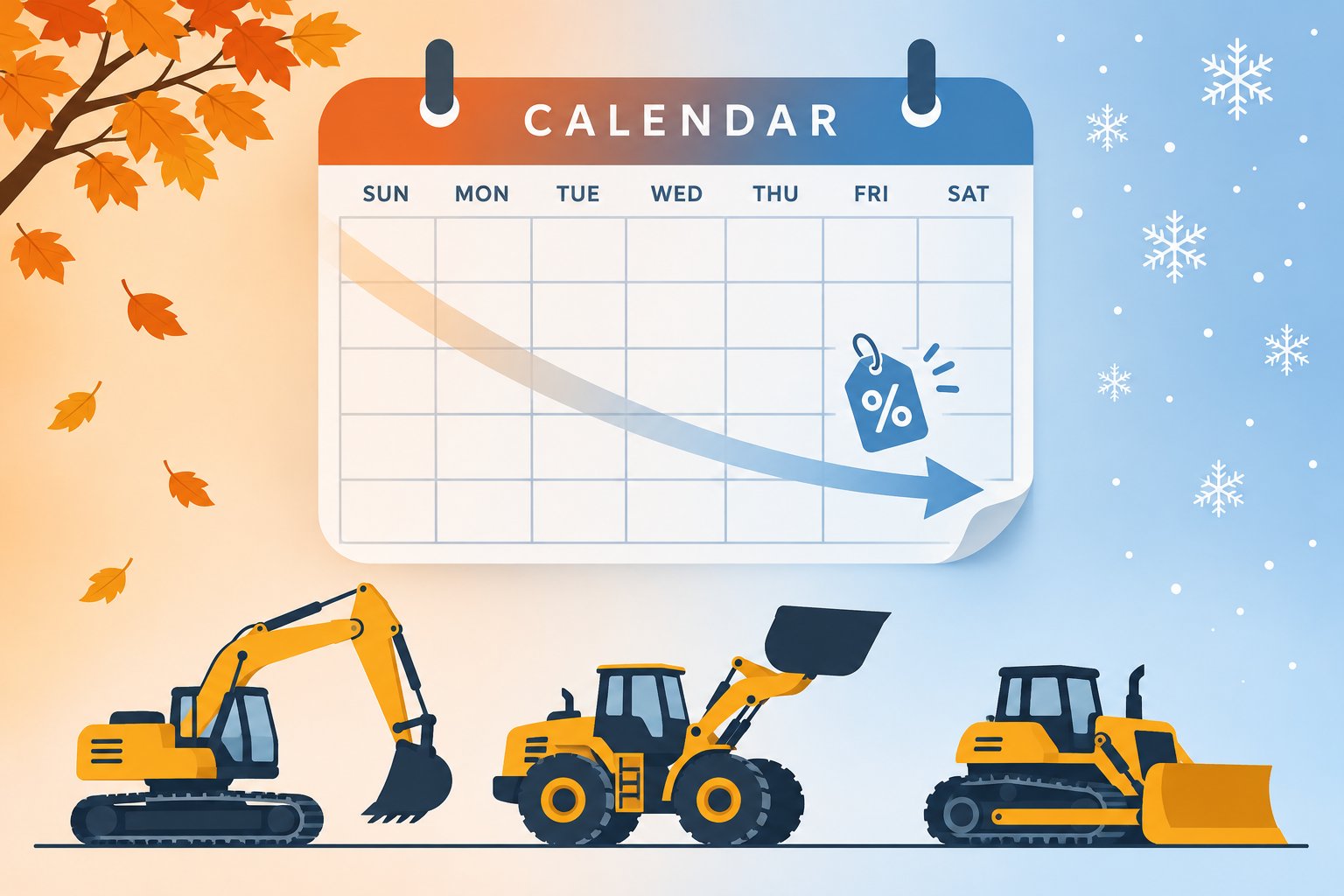
Late fall and winter tell a different story. Construction activity slows in colder regions. Projects pause or wrap up for the season. Fewer buyers compete for available machines, and sellers who need to move equipment become more flexible on price. If you're searching for second hand heavy equipment during November through February, you're shopping in a buyer's market—fewer bidders, more motivated sellers, and pricing that reflects the seasonal demand dip rather than the machine's intrinsic value.
Auction inventories also follow a seasonal rhythm that benefits patient buyers. Year-end tends to bring a surge of listings as fleet operators decommission aging units before new budget cycles begin. Companies looking to balance books or clear yard space before December 31st may accept lower prices to close deals quickly. That end-of-year window—combined with the general slowdown in buyer activity—can create a sweet spot where inventory is high and competition is low.
The pricing swings aren't trivial. Seasonal data suggests that equipment supporting seasonal construction activities can experience meaningful value differences between peak and off-peak periods. Compactors and rollers, tied directly to paving season, see some of the most dramatic swings because their demand essentially collapses once cold weather shuts down asphalt work. Excavators and loaders experience moderately sized swings, while dozers—used across a broader range of year-round applications—show comparatively smaller seasonal fluctuations.
The takeaway for buyers is straightforward: if your project timeline allows flexibility, purchasing during the off-season or at year-end can yield real savings on the same machine that would cost you more in June.
Economic and Industry Cycles That Affect Inventory
Seasonal patterns overlay a deeper set of forces that influence how much used equipment is available and what sellers can command for it. Broader construction industry cycles—driven by infrastructure legislation, housing starts, and commercial development trends—shape the supply-and-demand balance in ways that can either amplify or override seasonal effects.
Consider what happens when a major government infrastructure investment takes effect. Federal and state spending on highways, bridges, and transit systems triggers fleet upgrades across large contracting firms. Those contractors purchase new machines to meet project requirements—and their trade-ins and decommissioned units flow into the secondary market. The result is an influx of quality used machines hitting dealer lots, auction yards, and online platforms. For buyers, this creates a favorable supply environment: more options, more competition among sellers, and downward pressure on asking prices.
My-Equipment's February 2026 market analysis illustrates the dynamics at play. Year-over-year inventory for heavy-duty construction equipment dropped 11.03%, while auction values climbed—a clear signal of strong buyer demand outpacing available supply. At the same time, month-over-month inventory ticked up slightly, suggesting that equipment was beginning to cycle back into the secondary market as fleet turnover resumed. These opposing short-term and long-term trends are exactly the kind of signal smart buyers monitor to time their purchases.
Interest rates add another layer. Higher borrowing costs make new equipment more expensive to finance, which pushes more buyers toward the used market. That increased competition for pre-owned machines can prop up used pricing even during what would normally be a seasonal slowdown. Conversely, when financing conditions ease, some demand shifts back to new equipment, relieving pressure on the used market and creating more room to negotiate.
Construction slowdowns produce their own buying opportunities. When housing starts decline or commercial development pulls back, fewer machines trade hands—but the sellers who do list equipment are often motivated by cash flow needs rather than strategic timing. A contractor liquidating a machine during a slow period may accept an offer well below what they'd demand in a booming market. Watching regional construction indicators—permit activity, project announcements, employment data—gives you early warning of these windows.
Even equipment replacement cycles create predictable inventory waves. Industry data shows that many companies purchased machinery heavily during the high-demand period of 2021 through 2023. Those machines are now progressively entering the resale market, generating fresh listings at heavy construction equipment auction events and dealer inventories. If you're in the market for mid-life units with documented histories, this cycle is working in your favor.
Thinking globally adds yet another dimension. Regional project booms—a new highway expansion in one state, a mining surge in another—create localized demand spikes that inflate prices in those areas while equipment in quieter regions remains competitively priced. Buyers willing to look beyond their immediate geography, including searching worldnet auctions or national online platforms, can sidestep local pricing pressure and source machines from regions where supply is looser.
Putting all of this together, here are actionable timing strategies you can apply to your next equipment search:
- Monitor auction calendars for year-end and post-season sales. Fleet operators and rental companies tend to list equipment in November and December as they close out budget years and decommission older units. These auctions often feature larger inventories and less aggressive bidding.
- Watch for fleet turnover after large infrastructure contract completions. When a major highway, bridge, or utility project wraps up, the contractors who served it begin cycling equipment out. Track state DOT project timelines and industry news for signals that a wave of quality used machines is about to hit the market.
- Consider purchasing counter-cyclically—when your peers are not actively buying. If most contractors in your region ramp up equipment acquisition in March and April, buying in January or February puts you ahead of the demand curve. You'll face less competition at auctions, find more negotiating room with dealers, and avoid the price inflation that arrives with peak-season urgency.
- Track interest rate announcements and financing conditions. A rate cut can shift buyer behavior within weeks, pulling more competition into the used market. Purchasing before that shift gives you the advantage of current pricing before increased demand drives values higher.
- Compare pricing across geographic regions. A machine priced at a premium in a booming construction corridor may be available at a significantly lower price in a region experiencing a seasonal or economic slowdown. Online platforms and national auction networks make cross-regional comparison easier than ever.
- Don't wait for the "perfect" moment—look for favorable conditions. Market timing is about improving your odds, not predicting exact bottoms. If multiple indicators align—off-season, growing inventory, manageable interest rates—that's a strong buying window even if prices haven't hit an absolute floor.
Timing your purchase well can mean acquiring a better machine for less money—or the same machine with budget left over for attachments, maintenance reserves, or operator training. But even perfect timing can't protect you from a deal that looks too good to be true. The final layer of buyer protection isn't about when you buy or where you buy—it's about recognizing the warning signs that should stop a purchase cold, no matter how attractive the price or how favorable the market conditions appear.
Red Flags to Avoid and Smart Next Steps for Equipment Buyers
You've done the homework—identified the right machine type, settled on a size, calculated total cost of ownership, and even timed your search to take advantage of seasonal pricing. All of that effort counts for nothing if you walk into a deal with warning signs flashing and choose to ignore them. Scams, misrepresented machines, and shady sellers don't just target inexperienced buyers. They target anyone who lets urgency override judgment. A 2026 BBB investigation tied a single fake equipment website to approximately $51,000 in reported losses—buyers who wired money for machines that never arrived. That's real money lost by real contractors who skipped one or two verification steps.
This final section covers the warning signs that should halt any purchase immediately, then lays out a clear action framework so you can move from research to transaction with confidence.
Red Flags That Should Stop Any Equipment Purchase
Not every bad deal involves outright fraud. Some involve honest sellers with problematic machines, and others involve dishonest sellers with polished presentations. Either way, the following red flags warrant serious caution—or an immediate walk-away:
- The seller refuses an independent inspection. This is the single biggest dealbreaker. A legitimate seller welcomes third-party scrutiny because it builds buyer confidence and closes the sale faster. A seller who blocks inspection access—or makes excuses about scheduling, location, or "trust"—is hiding something. No inspection, no deal.
- The hour meter shows suspiciously low hours for the machine's age. A ten-year-old excavator reading 1,200 hours should raise questions. Compare the meter reading against seat wear, pedal condition, joystick surfaces, and documented service intervals. Excessive physical wear on a "low-hour" machine is a strong indicator that the meter has been tampered with or replaced.
- Maintenance records are missing or inconsistent. Gaps in service documentation don't always mean neglect—but they eliminate your ability to verify what was done and when. Inconsistencies between recorded service dates, hour readings, and the machine's current meter are particularly concerning. If the math doesn't add up, the story isn't reliable.
- Fresh paint or undercoating that may hide structural damage. A freshly painted machine looks sharp, but new paint covering structural areas can conceal cracks, weld repairs, corrosion, and collision damage. Pay extra attention to boom bases, frame joints, and undercarriage mounting points. If the paint job seems recent and selective—covering stress areas rather than the whole machine—dig deeper.
- No clear title or unresolved liens. Buying a machine with an active lien means you could lose the equipment entirely when the lienholder enforces their claim. Always verify ownership through documentation and request a lien search before transferring any funds. If the seller can't produce a clean bill of sale or clear title chain, stop.
- Pressure to close quickly without due diligence. "Another buyer is looking at it today" or "this price expires at midnight" are classic urgency tactics. Scammers create urgency on purpose to prevent you from completing your checks. A genuine deal survives your questions. If you feel pushed to skip a step, treat that feeling as your answer.
- Pricing dramatically below market value. A machine listed at half the price of comparable units isn't a bargain—it's a question mark. BBB lists far-below-market pricing among the most common warning signs of fraudulent equipment listings. Check comparable excavation sales, dealer listings, and recent heavy construction equipment auctions to establish a realistic value range. If the gap between asking price and market value is large and unexplained, walk away.
- Wire-only payment with no alternatives. Sellers who insist on wire transfers to personal or unfamiliar accounts—and refuse other payment methods—are following a well-documented fraud pattern. Wire transfers are extremely difficult to reverse once sent. Use payment methods that offer traceability and recourse, and if using escrow, choose and verify the escrow company yourself rather than accepting one the seller recommends.
Any one of these red flags justifies pausing the transaction. Two or more appearing together should end it. Remember: another machine will always become available. The money you lose to a bad deal doesn't come back.
Your Next Steps Toward a Smart Equipment Purchase
Every chapter in this guide has addressed one piece of the buying journey. Here's how those pieces fit together into an actionable sequence you can follow starting today:
- Identify the equipment type and size you actually need. Match machine category to your project requirements—not your aspirations. Use the sizing framework and questions from the earlier sections to narrow your search to the right tier before you browse a single listing.
- Establish a realistic, TCO-informed budget. Your ceiling isn't just the purchase price. Factor in financing costs, insurance, fuel consumption, scheduled maintenance, transport, and projected resale value. A machine that fits your sticker-price budget but blows through your operating budget is still the wrong machine.
- Inspect thoroughly using a structured checklist. Whether you're evaluating a unit in person or reviewing documentation remotely, cover every inspection area systematically—mechanical, structural, hydraulic, electrical, and documentation. For high-value purchases, hire a qualified independent inspector. The cost is negligible compared to the risk of an undiscovered defect.
- Compare across multiple buying channels. Check dealer inventory, scan auction calendars, review private listings, and explore online suppliers. Suppliers like JIUHONG offer browsable inventories of used excavators, loaders, bulldozers, and graders where contractors and fleet managers can compare machines and request purchase quotes—a practical starting point alongside dealer visits and regional auction schedules. Cross-referencing prices and conditions across at least two or three sources keeps you anchored to real market value.
- Negotiate with confidence. Armed with inspection findings, market comparisons, and TCO projections, you're negotiating from data—not emotion. Use documented issues or comparable pricing to justify your offer. Walk away from any deal where the numbers don't support the asking price, regardless of how much time you've invested.
Timing matters too. If your project schedule allows flexibility, shopping during the off-season months or monitoring year-end auction inventories can stretch your budget further without compromising on machine quality.
Thorough research and an independent inspection are the two most powerful tools any equipment buyer can use. Every other advantage—timing, channel selection, negotiation skill—builds on top of that foundation.
The construction equipment market is vast, and the opportunities within it are real—for buyers who approach it with discipline. Every machine listing you evaluate from this point forward is a business decision with financial consequences that extend years beyond the purchase date. The contractors who consistently make smart equipment purchases aren't luckier than everyone else. They're simply better prepared. This guide gave you the preparation. The next move is yours.
Frequently Asked Questions About Buying Construction Equipment
1. What should I inspect before buying used construction equipment?
A thorough pre-purchase inspection should cover five key areas: mechanical and engine condition (cold-start behavior, fluid quality, exhaust smoke color, hour-meter accuracy), structural integrity (frame cracks, weld repairs, pin and bushing wear), hydraulic system performance (cylinder leaks, response speed, holding power), undercarriage or tire condition, and electrical functionality including safety interlocks. Beyond the physical machine, always verify documentation — request complete maintenance logs, confirm the serial number matches the seller's paperwork, and run a lien search through UCC filings. Hiring a qualified independent mechanic for high-value transactions is strongly recommended, as the inspection cost is minimal compared to the financial risk of hidden defects.
2. Is it better to buy new or used construction equipment?
Neither option is universally superior — the right choice depends on your project timeline, utilization rate, and cash flow. New equipment makes sense when you need full warranty protection, the latest emissions compliance, predictable uptime for long-duration contracts, and access to manufacturer financing incentives. Used equipment is the smarter financial play when you want lower acquisition costs, slower depreciation (the steepest value loss has already occurred), faster ROI on shorter projects, and quicker availability since machines are ready for immediate pickup. Certified pre-owned programs and professional rebuilds offer a middle path, combining dealer-backed inspections and limited warranties with pricing below new-equipment retail.
3. How do I determine the right size of construction equipment for my project?
Start with four job-specific variables rather than equipment specs: site dimensions and access constraints, material volume to be moved or excavated daily, required dig depth or lift height, and production targets per shift. Compact machines suit residential utility work and tight urban lots. Mid-size units handle most commercial site preparation. Standard and large machines serve heavy civil, highway, and mining projects. A common costly mistake is oversizing — deploying a full-size excavator on residential work wastes fuel and complicates transport. Equally damaging is undersizing, which accelerates component wear and slows production. Match the machine to the majority of your workload and rent up for occasional oversized jobs.
4. What is the best time of year to buy construction equipment?
Late fall and winter — roughly November through February — typically offer the most favorable buying conditions. Construction activity slows in colder months, reducing buyer competition and creating more negotiating room with motivated sellers. Auction inventories also tend to grow at year-end as fleet operators decommission aging units before new budget cycles. Spring and early summer represent peak demand, driving prices higher as contractors ramp up for project backlogs. Beyond seasonal patterns, watch for fleet turnover after large infrastructure contract completions and consider purchasing counter-cyclically when peers are not actively buying. Comparing prices across geographic regions can also reveal savings, as localized demand spikes inflate prices in booming areas while quieter markets remain competitively priced.
5. Where can I find reliable construction equipment for sale online?
Buyers today can source equipment through four primary channels, each with distinct trade-offs. Authorized dealers offer inspected inventory and limited warranties but at higher prices. Live and online auctions provide competitive pricing but sell everything as-is with buyer premiums of 10-15% added on top. Private sales can yield the lowest acquisition costs but carry the most risk and no warranty. Online equipment suppliers like JIUHONG (https://jiuhong-machinery.com/products/) curate inventories of used excavators, loaders, bulldozers, and graders organized by category, allowing contractors and fleet managers to compare machines and request purchase quotes directly. The strongest buying strategy cross-references pricing and condition across at least two or three different channels to stay anchored to real market value.