

Understanding the Cat 310 and Its Place in the Lineup
Imagine you need a machine powerful enough to dig foundations and trench utilities, yet compact enough to maneuver on a tight residential lot and ride on a standard equipment trailer. That sweet spot is exactly where the Cat 310 lives. It is one of the most searched-for compact excavators on the market, and if you're browsing listings for a Cat 310 for sale, understanding what this machine actually is — and who it's designed for — will sharpen every decision you make from here on out.
What Is the Cat 310 Excavator
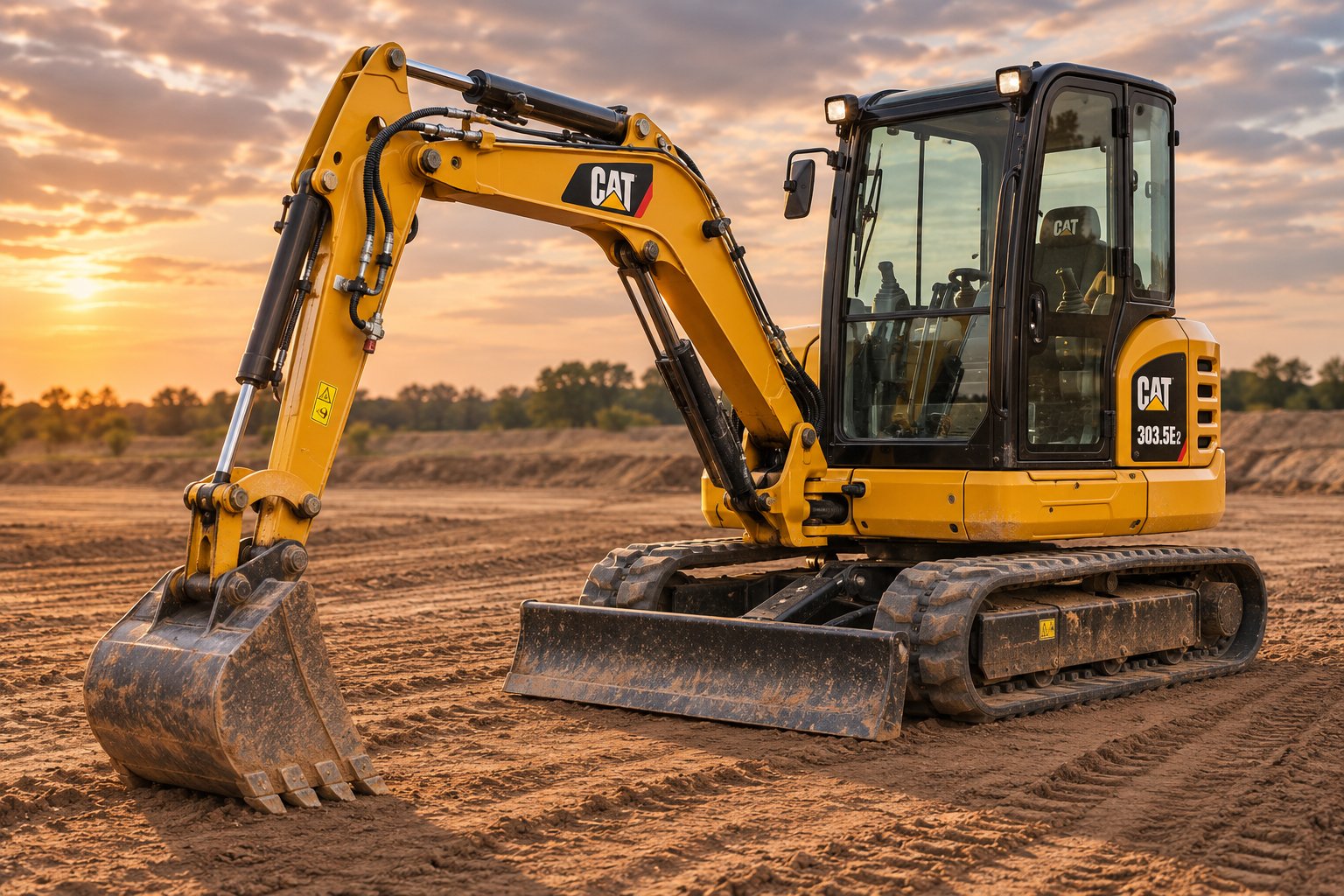
The Cat 310 is a Next Generation mini hydraulic excavator in the 10-metric-ton class, built by Caterpillar as part of its modernized compact excavator platform. It slots into the middle of Cat's mini excavator range, sitting above smaller models like the 308 and below heavier machines like the 313. According to Construction Equipment Guide, the 310 carries an operating weight around 22,447 lbs (approximately 10,182 kg) and delivers roughly 69.5 hp of net power — numbers that place it firmly in the versatile mid-range category.
When Caterpillar introduced its Next Gen platform, the 310 received meaningful upgrades over its predecessors: a redesigned pressurized cab, updated hydraulic performance boosting efficiency by up to 20%, electronic controls, and an exclusive stick steer system that lets operators switch from traditional levers and pedals to joystick-only control with the push of a button. The result is a machine that replaced earlier models in the same weight class while delivering a noticeably different operating experience.
Its reduced tail swing design and compact footprint also make it well-suited for confined job sites where a full-size excavator simply won't fit. Paired with a digging depth of approximately 17 feet and a reach of about 25 feet, the Cat 310 excavator punches well above what its dimensions might suggest.
Who the Cat 310 Is Built For
You'll find the Cat 310 on job sites run by a wide range of professionals, and that diversity is no accident. Small to mid-size contractors gravitate toward it because it handles foundation work, site prep, and general excavation without the transport headaches that come with larger machines. Utility companies rely on it for trenching sewer, water, and electrical lines in areas where access is limited. Landscapers choose it for grading, shaping terrain, and installing drainage — tasks where precision matters as much as raw power.
Rental fleet operators, meanwhile, stock the 310 because its versatility keeps utilization rates high. A single unit can rotate through trenching jobs, light demolition, and site cleanup across multiple customers, making it one of the most in-demand rental machines in the compact class.
The 4-to-10-ton mini excavator segment is projected to grow at a CAGR of 6.5% through 2034, making it one of the fastest-expanding weight classes in the global excavator market — driven by contractors who need a balance of digging depth, lifting capacity, and operational versatility.
That growth trend, highlighted in Straits Research's mini excavator market analysis, reflects a broader industry shift: buyers increasingly want machines that do more without requiring oversize permits or specialized hauling. The Cat 310 sits right at the center of that demand.
Whether you're evaluating a Cat 310 excavator for sale as a first purchase or adding one to an existing fleet, the real question isn't just whether it fits your budget — it's whether the specs, features, and job-site capabilities match the work you actually do. And that starts with understanding exactly what this machine brings to the table.
Cat 310 Specs and Features Explained for Buyers
Spec sheets are easy to find. Most equipment listing sites and marketplace pages will throw numbers at you — horsepower, dig depth, operating weight — without ever explaining what those numbers mean when the bucket hits the dirt. If you're shopping for a Cat 310 excavator, raw data only becomes useful when you understand how each specification translates into real-world digging performance, operator comfort, and long-term ownership value.
Let's break that down.
Engine, Hydraulics, and Performance Numbers
The Cat 310 is powered by a turbocharged diesel engine compliant with both U.S. EPA Tier 4 Final and EU Stage V emissions standards. Caterpillar currently lists two engine configurations for the 310 platform: the Cat C2.8 Turbo producing 69 hp (51.2 kW) net power and the Cat C3.3B delivering 69.5 hp (51.8 kW) net power — both measured at 2,200 rpm per ISO 9249. The gross power for each reaches 74.3 hp (55.4 kW) per SAE J1995. In practical terms, that power output gives the 310 enough muscle to handle heavy clay, compacted gravel, and rocky substrates without bogging down during sustained trenching runs.
What does horsepower actually feel like on a job site? Imagine trenching a 200-foot utility run through mixed soil. The 310's engine provides consistent power delivery at varying loads, while the aftertreatment system — a fit-for-life Diesel Particulate Filter (DPF) and Diesel Oxidation Catalyst (DOC) — manages emissions without requiring a Diesel Exhaust Fluid (DEF) tank. That's one less fluid to manage and one less thing to forget on a busy morning.
The hydraulic system is where the Cat 310 really earns its reputation. It uses load sensing hydraulics with a variable displacement piston pump, pushing 62 gpm (233 L/min) at 2,400 rpm. Equipment operating pressure reaches 4,134 psi (285 bar), and the digging forces are substantial: 17,459 lbf (77.7 kN) at the bucket and 11,060 lbf (49.2 kN) at the stick. Those numbers matter because bucket dig force determines how effectively the machine breaks into hard ground, while stick dig force controls your ability to curl material toward the cab and load trucks efficiently.
The primary auxiliary circuit delivers up to 35 gpm (131 L/min) at 4,134 psi, with a secondary circuit offering 9 gpm (33 L/min) at the same pressure. This dual-circuit setup is critical for running hydraulic attachments like breakers, augers, or thumbs — each of which demands different flow and pressure combinations.
Next Gen Platform Features That Matter
Competitors list features like "stick steer" and "pressurized cab" as bullet points. Here's what they actually mean for the person sitting in the seat eight hours a day.
Stick Steer System: This is a Cat-exclusive feature in the mini excavator class. With the push of a button, operators switch from traditional travel levers and pedals to full joystick-only machine control. Why does that matter? Traditional lever-and-pedal travel requires constant foot pressure and coordinated hand-foot movements, which leads to fatigue over long shifts. Stick steer eliminates that entirely. You'll notice the difference most during repositioning — moving the machine 20 or 30 feet between dig spots becomes almost effortless.
Pressurized Cab with Improved Visibility: The sealed and pressurized cab keeps dust, debris, and noise out while the HVAC system with automatic temperature control keeps conditions comfortable regardless of season. The operator sound pressure level sits at just 72 dB(A), which is roughly the volume of a normal conversation. A skylight, integrated lower front window, and standard rear and side cameras provide sightlines that reduce blind spots — a genuine safety advantage on crowded job sites.
Standard Thumb-Ready Linkage: The boom, stick, and linkage package comes thumb-ready from the factory. This means you can add a hydraulic thumb without structural modification, instantly expanding the machine's ability to grip, sort, and place materials. The one-piece boom measures 4,300 mm (169.3 in), and the optional long stick reaches 2,500 mm (98.4 in) for deeper excavation work.
Next Generation Monitor and Controls: The standard color LCD monitor (rated IP66) provides a jog dial interface for fuel level gauges, coolant temperature, maintenance tracking, and customizable performance settings. An optional Advanced Monitor upgrade adds a touchscreen, site reference system, and high-definition camera capability — features typically reserved for larger excavators.
Additional standard features round out the package: cruise control for consistent travel speed across the site, automatic engine idle and shutdown to reduce fuel burn during pauses, a control pattern changer for operator preference flexibility, and Product Link Basic telematics for remote fleet monitoring through VisionLink.
The table below consolidates the key Cat 310 specifications into a single scannable reference:
| Specification Category | Cat 310 (C2.8 Turbo) | Cat 310 (C3.3B) |
|---|---|---|
| Engine Model | Cat C2.8 Turbo | Cat C3.3B |
| Net Power | 69 hp (51.2 kW) | 69.5 hp (51.8 kW) |
| Displacement | 171 in³ (2.8 L) | 203 in³ (3.33 L) |
| Emissions Compliance | EPA Tier 4 Final / EU Stage V | EPA Tier 4 Final / EU Stage V |
| Hydraulic Pump Flow (2,400 rpm) | 62 gpm (233 L/min) | 62 gpm (233 L/min) |
| Equipment Operating Pressure | 4,134 psi (285 bar) | 4,134 psi (285 bar) |
| Bucket Dig Force | 17,459 lbf (77.7 kN) | 17,459 lbf (77.7 kN) |
| Stick Dig Force | 11,060 lbf (49.2 kN) | 11,060 lbf (49.2 kN) |
| Dig Depth | 205.2 in (5,211 mm) | 205.2 in (5,211 mm) |
| Maximum Reach | 303 in (7,695 mm) | 303 in (7,695 mm) |
| Maximum Reach at Ground Level | 298 in (7,570 mm) | 298 in (7,570 mm) |
| Operating Weight (Max) | 23,002 lb (10,432 kg) | 23,002 lb (10,432 kg) |
| Operating Weight (Min) | 21,026 lb (9,536 kg) | 21,170 lb (9,601 kg) |
| Fuel Tank Capacity | 38 gal (145 L) | 38 gal (145 L) |
| Cab Height | 100 in (2,541 mm) | 100 in (2,541 mm) |
| Swing Speed | 10 r/min | 10.6 r/min |
| Travel Speed (High) | 2.9 mph (4.7 km/h) | 2.9 mph (4.7 km/h) |
How the Cat 310 Specs Compare to Its Spec Sheet Rivals
Here's something most buyers overlook: two machines with nearly identical spec sheets can deliver wildly different ownership experiences. The Cat 310 weight — ranging from about 21,026 lb to 23,002 lb depending on configuration — is competitive with other 10-ton class excavators. Its dig depth, reach, and hydraulic forces line up closely with rivals in the same segment. If you're also considering older Cat models like the Cat 311B for sale listings on the used market, keep in mind that the Next Gen 310 represents a fundamentally different platform with updated electronics, hydraulic efficiency, and cab design.
But raw specs only tell part of the story. Serviceability — like the 310's ground-level access to grouped maintenance checkpoints and its extended service intervals — directly impacts how much time and money you spend keeping the machine running. Cab comfort determines whether operators stay productive through an entire shift or start making costly mistakes by mid-afternoon. And dealer support infrastructure, which Caterpillar maintains through one of the largest networks in the industry, influences everything from parts availability to warranty resolution speed.
Those factors don't appear on any specification table, yet they can easily shift the total cost of ownership by thousands of dollars over the machine's working life. The next question most buyers face is whether the Cat 310's weight and physical footprint actually fit their transport setup and job-site requirements — a decision that often comes down to choosing between this machine and its closest siblings in the Cat lineup.
Cat 310 Weight and How It Compares to the 308 and 313
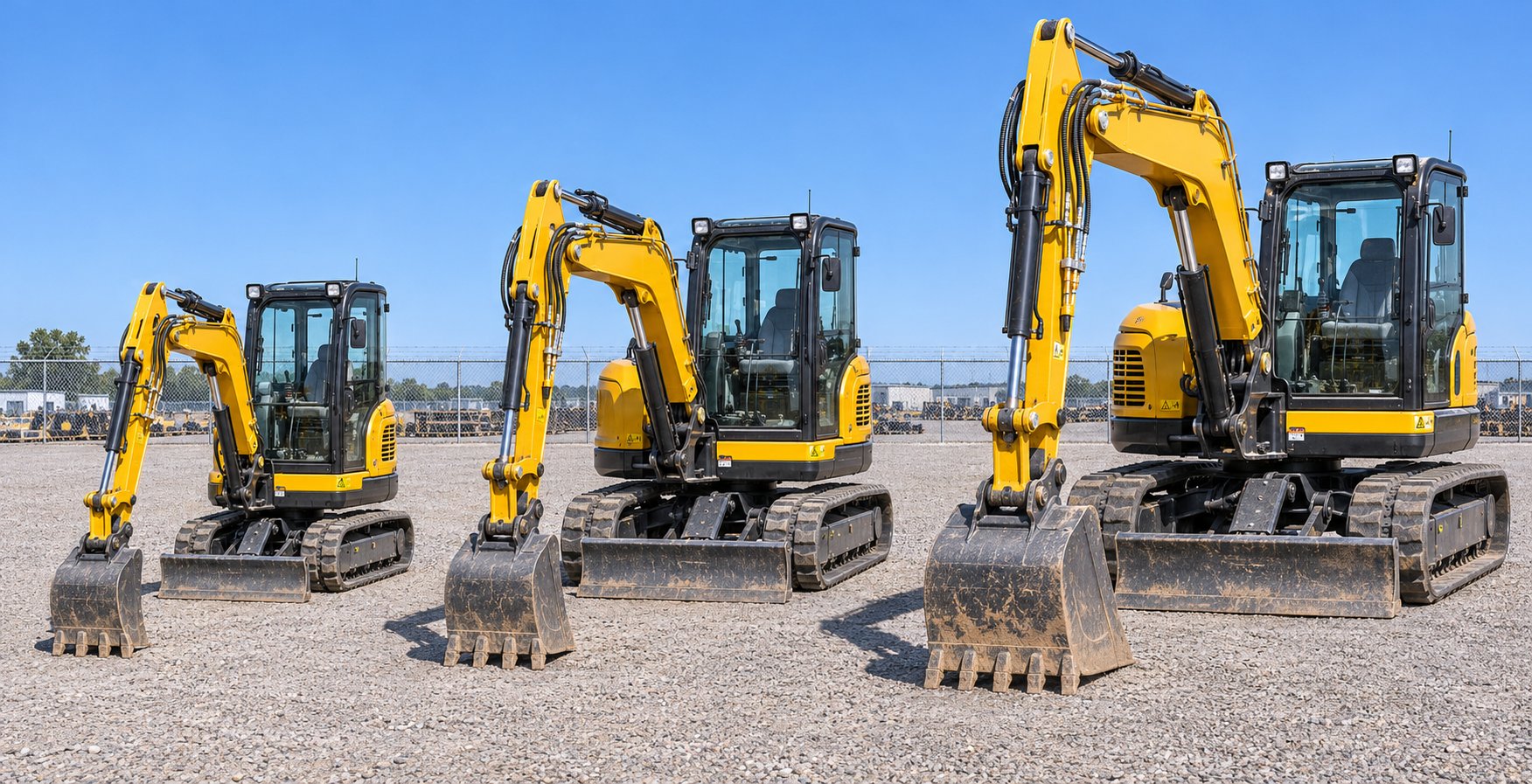
Weight is the specification that quietly governs everything else. It determines which trailer you need, whether a permit is required to haul the machine across state lines, and how much ground pressure the undercarriage exerts on a rain-soaked residential lot. Most buyers searching for a Caterpillar 310 excavator aren't just curious about a number on a data sheet — they're trying to answer a very specific logistics question: can I move this machine with the equipment I already own?
Cat 310 Operating Weight and Transport Considerations
The Cat 310's operating weight ranges from approximately 21,026 lb (9,536 kg) to 23,002 lb (10,432 kg), depending on configuration. That spread exists because counterweight options, stick length, bucket selection, and whether a hydraulic thumb is installed all shift the final number. A machine equipped with a long stick, heavy counterweight, and thumb will sit near the top of that range, while a base configuration stays closer to the low end.
Why does a roughly 2,000-pound swing matter so much? Consider the trailer sitting in your yard. A standard 10-ton (20,000 lb capacity) equipment trailer — the kind many small contractors already own — may or may not handle the Cat 310 depending on how it's configured. A fully loaded 310 at 23,000 lb pushes past that threshold, requiring a heavier tag-along or tilt-deck trailer rated for 12 tons. In most U.S. states, a combined gross vehicle weight (truck plus trailer plus machine) under 26,000 lb keeps you within non-CDL territory, but the math gets tight quickly when a 23,000-pound excavator is sitting on a 5,000-pound trailer behind a one-ton pickup.
Transport width adds another layer. BigRentz's CAT excavator size guide lists the Cat 310 at 8.10 feet wide, which falls under the standard 8.5-foot lane width limit for most highways. That means no oversize permits are required for width — a genuine advantage over larger machines that push past that boundary. The combination of manageable width and borderline weight makes the Caterpillar 310 one of the heaviest machines you can still transport without specialized hauling arrangements, provided you plan the configuration carefully.
Job-site access tells a similar story. At roughly 10 metric tons, the 310 can navigate residential driveways, gated commercial properties, and tight urban lots without exceeding the ground-bearing capacity of most improved surfaces. Contractors working in suburban subdivisions or established neighborhoods will appreciate that the machine delivers serious dig depth — around 17 feet — without requiring the reinforced access roads that heavier excavators demand.
Cat 308 vs Cat 310 vs Cat 313 Side-by-Side
Here's where most buyers get stuck. The Cat 308, Cat 310, and Cat 313 overlap just enough in capability that choosing between them feels ambiguous. Spec sheets make it worse — numbers blur together across three machines that look similar on paper. The table below organizes the key differences so you can spot the practical gaps at a glance:
| Specification | Cat 308 CR | Cat 310 | Cat 313 |
|---|---|---|---|
| Operating Weight | ~18,493 – 20,077 lb | ~21,026 – 23,002 lb | ~30,400 lb |
| Net Power | 69 – 69.5 hp | 69 – 69.5 hp | 108 hp |
| Max Dig Depth | 13.5 – 15.2 ft | ~17 ft (205.2 in) | ~19.2 ft |
| Max Reach at Ground Level | ~22 – 24 ft | ~24.8 ft (298 in) | ~28+ ft |
| Transport Width | 6.75 ft | 8.10 ft | 8.2 ft |
| Tail Swing | Reduced (CR) | Conventional | Conventional |
| Typical Weight Class | 8 – 9 metric tons | ~10 metric tons | ~13 – 14 metric tons |
The numbers tell a clear story once you read them through the lens of actual job requirements.
The Cat 308 CR fits tighter spaces. With a reduced tail swing and transport width under 7 feet, the 308 can work between buildings, inside fenced yards, and on narrow residential streets where the 310's conventional tail swing would clip obstacles. Its lighter weight — roughly 18,500 to 20,000 lb — also keeps it within comfortable range for most 10-ton trailers. The trade-off is noticeable: you sacrifice roughly 2 to 3.5 feet of dig depth and proportionally less reach compared to the Caterpillar 310. For contractors whose work rarely requires digging deeper than 15 feet, the 308 handles the job without carrying unnecessary weight.
The Cat 310 offers the balance. It delivers substantially deeper excavation (about 17 feet) and greater reach than the 308 while staying under the transport and weight thresholds that would push you into mid-size hauling territory. Its conventional tail swing means you'll need slightly more room to rotate, but the payoff is increased stability and lifting capacity during digging cycles. If your projects regularly involve foundation excavation, deeper utility trenches, or storm sewer installation, the 310 covers ground the 308 simply can't reach — literally.
The Cat 313 handles heavier-duty work. Jumping to 30,400 lb and 108 hp, the 313 enters a different category entirely. It digs nearly 20 feet deep and delivers significantly more hydraulic power for running larger attachments. But that capability comes with real logistical cost: you'll likely need a 15-ton trailer, a CDL-rated towing setup, and more careful planning around site access. The BigRentz size chart categorizes the 313 as the entry point for standard/mid-size excavators — a meaningful distinction from the mini excavator class where the 310 still resides.
So which machine fits your work? Ask yourself three questions. First, does your typical dig depth stay under 15 feet? If yes, the 308 likely handles it. Second, do you regularly need 15 to 17 feet of depth with moderate lifting, without jumping to mid-size hauling costs? The Cat 310 specs align perfectly with that scenario. Third, are your projects consistently demanding 18+ feet of depth, heavier material handling, and larger bucket capacities? That's 313 territory.
Matching the machine to the work prevents two costly mistakes: buying too much excavator and absorbing unnecessary transport and fuel expenses, or buying too little and constantly pushing a smaller machine past its comfortable limits. The right size class protects both your schedule and your margins — and for a large percentage of contractors in the utility, residential, and light commercial space, the 10-ton class is exactly where the math works out.
Knowing which size class fits your fleet is only half the equation, though. The other half is understanding which specific tasks and attachments unlock the Cat 310's full versatility on the job site.
Best Applications and Attachments for the Cat 310
A machine's spec sheet tells you what it can do. The job site tells you what it should do. Most listings for a Cat 310 for sale focus entirely on horsepower, dig depth, and weight — yet none of them explain which projects actually benefit from those numbers. That gap matters because a 10-ton excavator doesn't make financial sense on every job. It makes outstanding sense on the right ones.
Here's where the 310 cat earns its keep.
Residential and Commercial Excavation
Picture a typical suburban infill lot: 60 feet wide, bordered by existing homes on both sides, with a driveway barely wide enough for equipment access. A full-size excavator won't fit. A micro excavator will fit but can't dig deep enough for the foundation. The Cat 310 threads that needle.
With approximately 17 feet of dig depth and nearly 25 feet of reach at ground level, the 310 handles residential foundation excavation — including full basements in most regions — without repositioning multiple times. Trenching for water, sewer, and electrical service lines from the street to the building pad falls squarely within its sweet spot. Grading and site prep on lots up to a half-acre or so stay efficient because the machine's swing speed (up to 10.6 r/min) and hydraulic responsiveness keep cycle times tight.
Light commercial projects follow the same logic. Strip mall pads, small office building footings, parking lot grading, and stormwater retention excavation all benefit from the 310's combination of digging force and manageable footprint. You're getting bucket dig forces north of 17,400 lbf — enough to muscle through compacted fill and heavy clay — on a platform that doesn't require a mid-size hauling setup to reach the site.
Utility, Landscaping, and Light Demolition Work
Utility contractors represent one of the largest buyer segments for the Cat 310 excavator, and for good reason. Storm sewer, sanitary sewer, and water main installation often require trench depths between 8 and 16 feet — a range where the 310 operates comfortably without maxing out its geometry. The machine's conventional tail swing provides stability during deep trenching, while the stick steer system reduces operator fatigue during the repetitive travel-dig-travel cycle that defines utility corridor work.
Landscaping professionals working on large-scale residential or commercial projects also lean on this size class. Pond excavation, terrain reshaping, drainage swale construction, and boulder placement all demand more muscle than a 5- or 6-ton mini can deliver. The 310 moves enough material per cycle to keep production rates high while still fitting through standard gate openings and navigating established landscapes without excessive ground disturbance.
Selective demolition is another area where the 310 punches above expectations. Tearing out concrete driveways, removing old foundations, or dismantling small structures becomes practical once you pair the machine with the right attachment — which brings us to the real multiplier behind the Cat 310's versatility.
Attachment Compatibility and Versatility
The base machine digs. Attachments turn it into a multi-purpose platform. The Cat 310's standard thumb-ready linkage, dual auxiliary hydraulic circuits (primary at 35 gpm, secondary at 9 gpm), and coupler compatibility open the door to a wide range of work tools that dramatically expand what you can accomplish without bringing additional equipment to the site.
Here are the most common Cat 310-compatible attachment categories and where they're typically used:
- Digging buckets (various widths): Standard, heavy-duty, and narrow trenching buckets for general excavation, utility trenching, and grading. Widths typically range from 12 inches for tight utility trenches to 48 inches or wider for bulk earthmoving and cleanup.
- Hydraulic thumbs: Mount opposite the bucket on the stick to grip irregularly shaped materials — rocks, stumps, concrete debris, pipe sections. The factory thumb-ready linkage means no structural modifications are needed.
- Hydraulic breakers: Powered by the primary auxiliary circuit, breakers handle concrete demolition, asphalt removal, and rock breaking. Matching the breaker's flow and pressure requirements to the 310's auxiliary output is critical for performance and equipment longevity.
- Augers: Hydraulic auger drives with interchangeable bits bore clean, consistent holes for fence posts, foundation piers, tree planting, and utility pole footings. The 310's auxiliary flow supports mid-range auger drives suitable for most soil conditions.
- Quick couplers: Mechanical or hydraulic quick couplers allow rapid attachment changes from the cab, minimizing downtime when switching between buckets, thumbs, and other tools throughout the day.
- Compaction plates: Vibratory plate compactors attach to the stick and compact trench backfill directly, eliminating the need for a separate walk-behind compactor in tight or deep trench environments.
- Rippers: Single-shank rippers concentrate the arm's crowd force into a hardened point to break up frozen ground, hardpan, or old asphalt ahead of bucket passes — improving dig cycle efficiency in tough conditions.
- Grapples: Root grapples for land clearing, rock grapples for material placement, and demolition grapples for debris handling all work within the 310's hydraulic capacity and weight class.
Why does attachment availability matter when you're evaluating a Cat 310 for sale? Two reasons. First, a machine sold with a package of compatible attachments — a selection of buckets, a hydraulic thumb, and a quick coupler, for example — delivers immediate job-site versatility without additional capital outlay. That package effectively lowers your cost-per-application because one machine covers tasks that would otherwise require subcontractors or additional equipment rentals.
Second, attachment packages directly influence resale value. A well-equipped 310 cat with documented attachments commands a premium on the secondary market compared to a bare machine. Buyers searching used listings know that acquiring attachments separately adds thousands of dollars to total project cost, so they're willing to pay more upfront for a turnkey package. If you're purchasing with eventual resale in mind, investing in a core set of quality attachments isn't just an operational decision — it's a financial one.
The versatility story also feeds directly into how the market prices these machines. A Cat 310 listed with a full attachment suite, documented service history, and low hours occupies a very different position on the pricing spectrum than an identical model sold bare with high hours and no records. Understanding what drives that price gap — and how to spot it in listings — is the next critical step in making a smart purchase.
Cat 310 Pricing Factors and What Affects Market Value
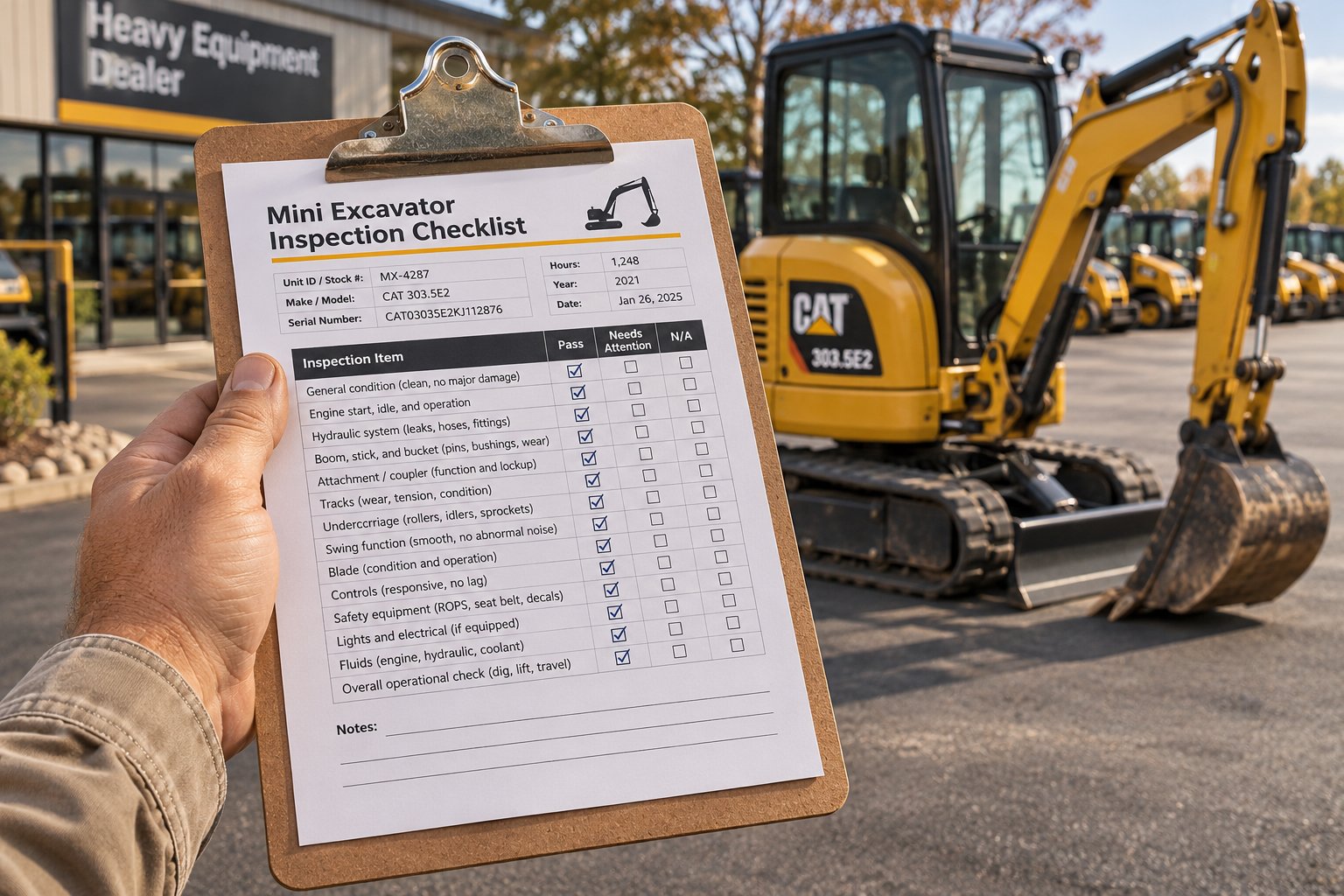
Here's the frustrating reality of shopping for a Cat 310 for sale: you'll find dozens of listings across multiple platforms, yet almost none of them explain why one unit is priced at $65,000 and another at $140,000. The numbers are there. The context is missing. That gap turns price comparison into guesswork — and guesswork is expensive when six figures are on the line.
Building a pricing framework starts with understanding which variables actually move the needle and how much influence each one carries.
Key Factors That Drive Cat 310 Market Value
Not every pricing factor weighs equally. A machine's hour count, for example, shifts value far more dramatically than its geographic location. Knowing the hierarchy prevents you from overpaying for a low-priority feature while ignoring the variable that matters most.
- Machine hours: This is the single most influential pricing factor. Hours function as the excavator equivalent of odometer mileage — they indicate how much wear the engine, hydraulics, and undercarriage have absorbed. Lower hours generally command higher prices, but the relationship isn't perfectly linear. The steepest price drops tend to align with major service interval thresholds. Machines approaching 5,000 hours typically face a notable markdown because buyers anticipate upcoming maintenance costs for items like hydraulic pump rebuilds, undercarriage component replacement, and injector servicing. Units under 2,000 hours often carry a significant premium, while those in the 2,000-to-4,000-hour range represent the middle market where negotiation has the most room.
- Model year and generation: A 2023 Next Gen Cat 310 and a 2020 unit may share the same model name but differ in cab technology, hydraulic refinements, and software capabilities. Newer model years depreciate less aggressively than older ones, particularly within the first three to four years of production.
- Overall condition: Structural integrity, undercarriage wear percentage, hydraulic system health, and cosmetic appearance all factor into how a seller prices a unit — and how much a buyer should be willing to pay. A machine with 3,000 hours but a documented history of regular maintenance and clean hydraulic fluid can be worth more than a 1,500-hour unit that's been neglected.
- Included attachments: As discussed in the previous section, a Cat 310 sold with a bucket package, hydraulic thumb, and quick coupler delivers more immediate value than a bare machine. Expect attachment-equipped listings to carry premiums of several thousand dollars, which often still represents a savings compared to purchasing those tools separately.
- Geographic location: Regional demand, local construction activity levels, and proximity to authorized dealers all influence pricing. Markets with high construction volume — like Texas, Florida, and California — tend to have more inventory but also stronger demand, which can keep prices firm. Conversely, a machine listed in a lower-demand region might sit longer and sell for less.
- Seller type: Authorized dealers, specialty used equipment dealers, rental fleet liquidators, and private sellers each operate with different pricing strategies and overhead structures. Dealer listings typically include some form of inspection or reconditioning, which justifies higher asking prices. Private sales often carry lower prices but shift all inspection responsibility onto the buyer.
Understanding these factors turns a flat list of prices into a readable landscape. When you see a MachineryTrader listing for a 2022 Cat 310 with 1,681 hours in Texas alongside another with 4,469 hours in Idaho, you can immediately identify why those two machines occupy very different positions on the pricing spectrum — even before seeing the asking price.
Understanding New vs Used Price Ranges
New Cat 310 excavators carry MSRP pricing available exclusively through authorized Caterpillar dealers. That price varies by configuration — engine option, stick length, counterweight selection, cab package level, and factory-installed attachments all influence the final number. Caterpillar does not publicly list MSRP on its website, so getting an accurate new-unit quote requires contacting a dealer directly and specifying your desired build. Expect to receive a written quote that breaks down the base machine cost, optional equipment, delivery charges, and any applicable dealer fees.
The used market tells a wider story. Listings on MachineryTrader show Cat 310 units spanning a considerable range, with hour counts running from 234 hours on near-new machines to over 4,600 hours on well-worked units. The factors outlined above — hours, model year, condition, attachments, and location — create that spread. A low-hour 2024 unit with full cab options and a complete bucket set occupies the top of the range, while a high-hour 2020 model sold bare sits at the lower end.
For broader market context, Equipment Trader's excavator pricing guide places mid-size excavators (10,000 to 45,000 pounds) in the range of roughly $90,000 to $250,000 new and approximately $40,000 to $180,000 used. The Cat 310, at roughly 21,000 to 23,000 pounds, falls at the lighter end of that mid-size bracket, which helps calibrate expectations even though individual listings will vary.
A few practical guidelines sharpen the comparison process:
- Collect at least three to five quotes across different platforms and seller types before anchoring on a price expectation. A single listing tells you what one seller wants — not what the market supports.
- Compare apples to apples. Match hour counts, model years, and attachment packages when evaluating listings side by side. A $95,000 machine with 3,800 hours isn't directly comparable to a $120,000 unit with 466 hours — those are fundamentally different buying propositions.
- Factor in transport costs. A machine listed $8,000 below market value three states away may not be a bargain once you add $3,000 to $5,000 in shipping fees. Geographic savings evaporate quickly when logistics enter the equation.
- Ask for service records and fluid analysis reports. Sellers who can provide documented maintenance history are signaling that the machine has been cared for — and that transparency typically correlates with fair pricing rather than inflated asks.
How Financing and Leasing Options Affect Total Cost
The sticker price is what gets your attention. The total acquisition cost — including interest, fees, and payment structure — is what actually hits your bank account. Yet almost no listing page or equipment marketplace discusses how financing, leasing, or rent-to-own arrangements change the real cost of putting a Caterpillar 310 excavator on your job site.
Three primary paths exist for buyers who don't intend to pay cash:
Dealer financing programs: Authorized Caterpillar dealers typically offer financing through Cat Financial or affiliated lenders. These programs may include promotional rates on new equipment, flexible term lengths, and seasonal payment structures designed for contractors whose revenue fluctuates with project cycles. The advantage is convenience — financing, delivery, and warranty support all come through a single relationship. The trade-off is that dealer financing doesn't always offer the lowest interest rate available in the market.
Bank and SBA equipment loans: Traditional equipment loans from commercial banks or Small Business Administration (SBA) lenders use the excavator itself as collateral. Terms generally range from 48 to 84 months, and rates depend on your creditworthiness, the machine's age, and current market conditions. These loans work well for buyers with strong banking relationships and the patience to navigate a slightly longer approval process.
Leasing and rent-to-own structures: Leasing preserves working capital by replacing a large upfront payment with predictable monthly costs. As Beacon Funding notes, lease-to-own programs can also include maintenance coverage and equipment upgrade flexibility — benefits that reduce the risk of owning a depreciating asset. For contractors who plan to use the machine for three to five years and then trade up, leasing can lower total out-of-pocket cost compared to purchasing and reselling. The key is comparing the total lease cost (monthly payments multiplied by the full term, plus any buyout) against the equivalent purchase price and expected resale value.
A useful exercise before committing to any acquisition method: calculate the total cost of ownership over your planned holding period. Include the purchase or lease cost, estimated fuel consumption, scheduled maintenance, insurance, and projected resale value. Equipment Trader's buying guide reinforces this point — a machine with a lower purchase price may ultimately cost more if it demands frequent repairs or burns excessive fuel, while a higher upfront investment in a well-maintained unit can deliver lower lifetime costs.
Getting the price right is essential. But price alone doesn't determine whether a specific Cat 310 is a smart buy. The machine's condition — especially the gap between what a listing claims and what a hands-on inspection reveals — carries just as much weight in the final decision.
New vs Used Cat 310 and What to Check Before Buying
Knowing what a Cat 310 should cost and understanding why it costs that amount are two different things. But there's a decision that comes even before price negotiations: are you buying new or used? Each path carries its own financial math, its own risk profile, and its own set of hidden advantages that most buyers never weigh properly. A contractor who picks the wrong path doesn't just overspend — they lock themselves into years of consequences that compound quietly in the background.
Let's lay out both sides honestly, then build the inspection framework that protects you regardless of which direction you choose.
Advantages of Buying a New Cat 310
A brand-new 310 excavator rolls off the line with zero hours, a full factory warranty, and every system calibrated to Caterpillar's current engineering standards. That's the obvious appeal. The less obvious advantages are the ones that actually tip the financial equation.
Warranty coverage eliminates early-life repair risk. Caterpillar's standard warranty protects major components — engine, hydraulic system, powertrain — during the period when manufacturing defects or assembly issues are most likely to surface. For a contractor running a lean operation, one unexpected $15,000 hydraulic pump failure in the first year can wreck a quarterly budget. A warranty absorbs that hit entirely.
Latest technology and emissions compliance come standard. Current-production Cat 310 models include the most recent Next Gen platform refinements: updated cab electronics, improved fuel mapping for the C2.8 Turbo or C3.3B engine, refined hydraulic responsiveness, and full EPA Tier 4 Final / EU Stage V compliance. That emissions compliance matters more than most buyers realize — some municipal contracts and environmentally sensitive job sites now require Tier 4 Final equipment as a bid qualification. A new machine guarantees you meet that threshold without question.
Dealer support packages extend the value. Authorized dealers frequently bundle new purchases with maintenance agreements, extended warranty options, operator training, and telematics activation through Cat Product Link. These packages reduce your per-hour operating cost and give you a single point of contact for parts, service scheduling, and technical support. The convenience factor is real, especially for fleet buyers managing multiple machines across several job sites.
Financing incentives favor new equipment. Promotional interest rates through Cat Financial and competitive bank terms on new machinery often deliver lower monthly payments relative to the machine's value. Lenders view new equipment as lower-risk collateral, which translates to better loan terms for the buyer.
The trade-off? You'll absorb the steepest depreciation curve. Like most heavy equipment, a 310 cat excavator loses the largest percentage of its value in the first two to three years of ownership. If you plan to keep the machine for seven-plus years and run it hard, that front-loaded depreciation gets amortized across enough productive hours to make financial sense. If your timeline is shorter, the math shifts.
The Case for a Used Cat 310
Used machines appeal to buyers for one reason above all others: someone else already paid for the depreciation. A 310 excavator that's two to three years old with 1,500 to 2,500 hours has already shed a significant portion of its original value — yet it retains the vast majority of its productive capability. For contractors working within tighter capital constraints, that gap between purchase price and remaining useful life is where the real value hides.
Consider the availability factor as well. New equipment orders can carry lead times ranging from weeks to several months depending on factory schedules, dealer allocation, and specific configuration requests. A used Cat 310 sitting on a dealer's lot or listed on a marketplace is available now. For a contractor who just won a project starting in 30 days, waiting three months for a factory-built machine isn't an option. The used market solves that timing problem immediately.
Well-maintained used units with documented service histories can deliver excellent value over their remaining lifespan. A machine that received every scheduled oil change, filter replacement, and greasing interval on time — backed by records and ideally oil analysis reports — is fundamentally different from one that was run hard and serviced sporadically. The documentation tells the real story, not the paint condition or the hour count alone.
There's also a strategic advantage that experienced fleet buyers exploit: buying a used 310 cat allows you to test the size class on your specific job mix before committing new-equipment money. If the 10-ton class turns out to be exactly right, you can upgrade to a new unit later with confidence. If it turns out you actually need the Cat 308 or the Cat 313 instead, you haven't sunk top-dollar capital into learning that lesson.
What to Inspect When Buying a Used Cat 310
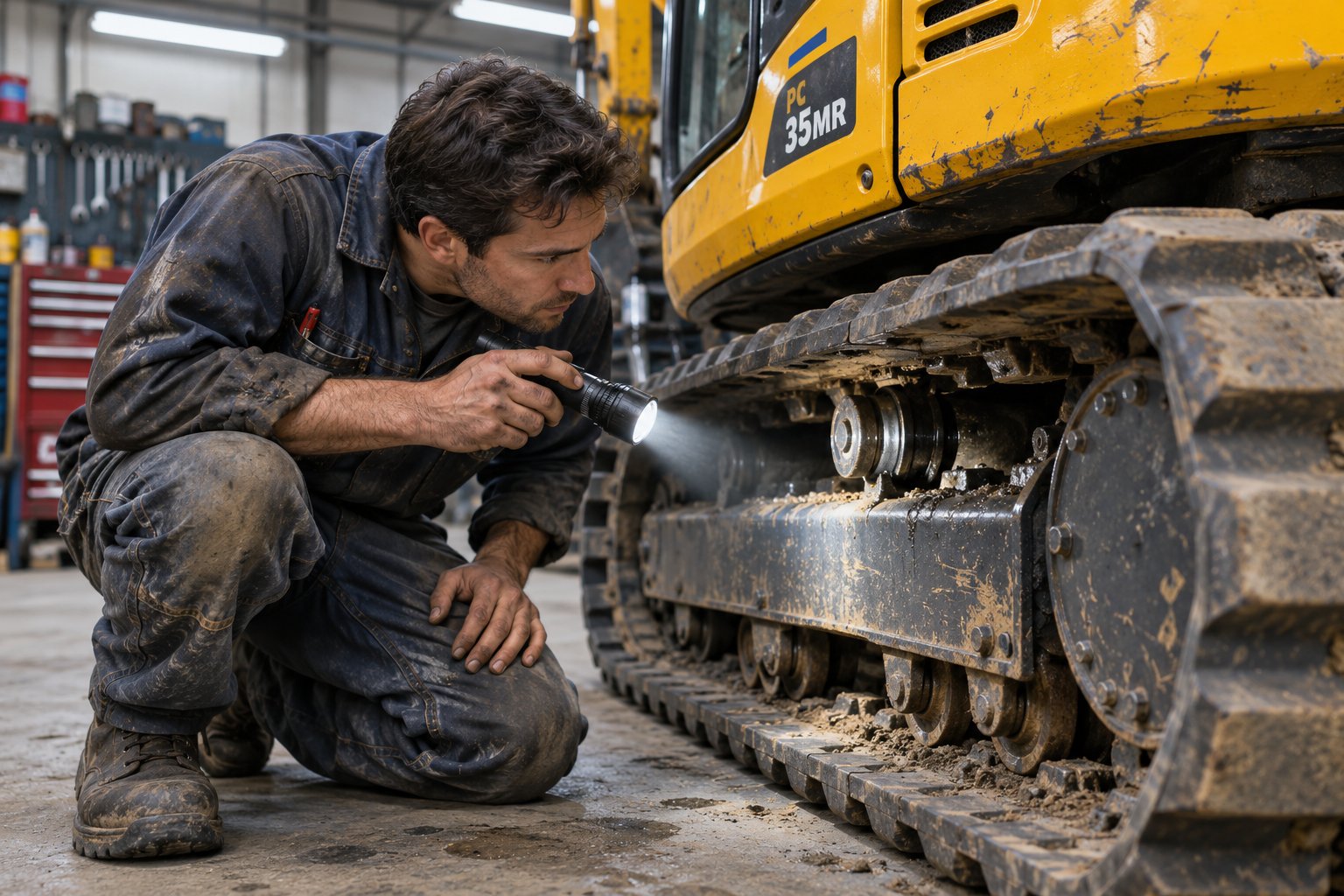
Here's where the used-buying decision either pays off or becomes an expensive education. The difference between a great used purchase and a regrettable one almost always comes down to what happened — or didn't happen — during the pre-purchase inspection. Walking around a machine and kicking the tracks isn't an inspection. A systematic evaluation of every critical system is.
Use this checklist as your baseline. Every item on it addresses a component that, if failed or failing, carries a repair cost significant enough to change the economics of the deal:
- Undercarriage condition (track pads, rollers, idlers, sprockets): The undercarriage is one of the most expensive systems to replace on any excavator, often representing a major portion of the machine's total maintenance budget. Check track pad depth, roller and idler wear, sprocket tooth profile, and track tension. If wear exceeds 50-60%, factor replacement costs into your offer price — a full undercarriage rebuild on a 10-ton machine can run into five figures.
- Hydraulic system health (cylinder seals, hose condition, fluid quality): Inspect every visible hose, fitting, and cylinder rod for wet spots, seepage, or scorched surfaces. Operate all functions — boom, stick, bucket, swing, and travel — under load and watch for slow response, jerky movement, or drift when holding a position. Pull a hydraulic fluid sample if possible; dark, gritty, or milky oil signals contamination or internal wear.
- Engine performance indicators: Request a cold-start inspection whenever possible. A healthy engine should crank and fire without excessive cranking time, hard starting, or heavy smoke. Black exhaust under load may point to fuel system issues; blue smoke often indicates oil burning; white smoke can suggest coolant intrusion. Check for oil leaks around the valve cover, turbocharger, and oil pan — and look for milky residue on the oil cap, which can signal a head gasket problem.
- Structural integrity (boom, stick, and bucket pins and bushings): Cycle the boom and stick through their full range of motion and feel for excessive play or clunking at each pivot point. Worn pins and bushings create "slop" that reduces digging precision and accelerates wear on adjacent components. Inspect weld joints at the boom foot, boom nose, and stick tip for cracks, grinding marks, or signs of re-welding — any of which could indicate past structural damage.
- Swing bearing and swing motor: Rotate the upper structure a full 360 degrees in both directions. Listen for grinding, popping, or uneven resistance. Check for visible movement between the turntable and undercarriage frame — any rocking or looseness here points to swing bearing wear, which is a labor-intensive and costly repair.
- Final drives and travel motors: Drive the machine forward and in reverse on level ground. It should track straight without pulling to one side. Listen for grinding or whining from the final drive housings and check for gear oil leaks around the hub seals. A failing final drive can immobilize the entire excavator and cost thousands to replace.
- Cab electronics and monitor systems: Power up the monitor and check for stored fault codes or active warning lights. Test every joystick, switch, pedal, gauge, light, camera, and climate control function. On a Next Gen Cat 310, verify that the stick steer system engages and disengages properly. Non-functional electronics can be expensive to diagnose and repair, particularly if control modules need replacement.
- Hour meter verification: Compare the displayed hours against the visible wear on pedals, joystick grips, the operator's seat, and armrest surfaces. A machine showing 1,200 hours but featuring a deeply worn seat and polished control surfaces doesn't add up. If the seller has access to Cat Product Link or VisionLink telematics data, request the digital hour log — it's much harder to alter than an analog or display-based meter.
Beyond the checklist itself, watch for red flags that experienced equipment buyers treat as non-negotiable investigation triggers:
- Excessive track wear paired with low reported hours — suggests the hour meter may have been tampered with or the machine was used in abrasive conditions that accelerated wear beyond what the hours indicate.
- Active hydraulic leaks visible during operation — small seeps at fittings may be minor, but cylinder rod leaks, pump housing weeps, or pooling fluid under the machine all signal deferred maintenance or internal component failure.
- Abnormal engine smoke that persists after warmup — transient smoke during a cold start on a diesel engine can be normal, but smoke that continues once the engine reaches operating temperature points to a deeper issue.
- Inconsistent or missing service records — gaps in documentation aren't automatic deal-breakers, but they remove your ability to verify what was done and when. As industry inspection guides emphasize, missing records on a high-use unit should prompt more aggressive inspection and may justify a lower offer.
- Fresh paint or pressure washing with no clear explanation — cosmetic cleanup before a sale is normal, but it can also mask cracks, leaks, and weld repairs that would be visible on an unwashed machine. Ask why it was cleaned, and inspect more carefully underneath.
- A seller who refuses a cold start or independent inspection — this is the clearest warning sign of all. Any reputable seller of a quality used 310 excavator will welcome a thorough evaluation. Resistance to inspection should raise immediate concerns.
If you're not confident performing a full mechanical evaluation yourself, hire an independent technician or request a third-party inspection report. The cost of a professional pre-purchase inspection — typically a few hundred dollars — is trivial compared to the five-figure repair bills it can help you avoid. Many seasoned contractors treat this step as mandatory, not optional, regardless of how clean the machine looks or how trustworthy the seller appears.
Whether you ultimately choose a new or used Cat 310, one detail determines value more than any other single factor: the exact model generation you're buying. A "Cat 310" listing from 2019 and one from 2024 may share a name, but the machines behind those listings can differ in ways that significantly affect both performance and long-term resale — differences that deserve their own careful examination.
Cat 310 Model Years and Generation Differences
Two listings both say "Cat 310." One asks $78,000. The other asks $125,000. Hours are similar. Condition looks comparable in the photos. So what justifies the gap? In many cases, the answer lives in a detail most buyers gloss over entirely: the model generation.
Cat 310 Model Generations and Key Changes Over Time
Caterpillar's naming conventions can mislead if you don't know how they work. As equipment analysts at Mico Equipment explain, older Cat excavator families used letter suffixes — C, D, E, F — to denote generations. The current Next Generation platform dropped those letters entirely. That means a "Cat 310" listing refers specifically to the Next Gen machine, while earlier Cat models in the same 10-ton weight class carried different numerical designations and fundamentally different platform architecture.
The distinction matters because the Next Gen Cat 310 mini excavator introduced a sweeping set of upgrades that its predecessors never had. Caterpillar's Next Gen platform — four years in development and codesigned with dealers and customers — brought sealed and pressurized cabs with redesigned climate control, the exclusive Cat Stick Steer system for joystick-only machine control, load sensing hydraulics with electronically controlled variable-displacement piston pumps delivering up to 62 gpm (233 L/min), a standard LCD monitor with jog-dial navigation, and automatic two-speed travel. None of these features existed on earlier-generation compact excavators in the same weight class.
Fuel efficiency improvements are equally significant. The Next Gen platform's electronic engine management and load sensing hydraulic system reduce fuel burn compared to the fixed-displacement pump designs used in older models. Over thousands of operating hours, that efficiency gap translates directly into lower cost per hour of production — a difference that compounds quietly but relentlessly across the machine's working life.
Here's the caution that trips up buyers most often: a used listing described simply as a "Caterpillar 310 excavator" could represent a current Next Gen unit or, in rarer cases, be confused with older Cat machines in an adjacent weight class. Exact model designations matter enormously. A 308E2 is not a 308 CR. A 311B is not a 313. And within the 310 line itself, the specific build year determines which cab technology, hydraulic refinements, and electronic controls are included. Always verify the full model code and production year — not just the series number — before engaging with a seller on cat 310 price discussions.
How Generation Differences Affect Resale Value
Generation isn't just a technology story. It's a pricing story. Next Gen Cat 310 units consistently command higher resale values than older-generation machines in the same weight class, and the reasons are straightforward. Updated cab comfort keeps operators productive and reduces turnover — a real cost for contractors who struggle to retain skilled equipment operators. Improved fuel efficiency lowers the hourly operating expense, which makes the machine more attractive to the next buyer who runs those same calculations. And modern electronic controls, telematics compatibility, and emissions compliance (EPA Tier 4 Final / EU Stage V) satisfy the requirements of an increasing number of municipal and commercial contracts that mandate current-generation equipment.
Older units, on the other hand, offer a lower entry cat 310 excavator price — sometimes substantially lower. That discount appeals to buyers with shorter-term needs, less demanding project requirements, or the mechanical expertise to handle maintenance in-house. The risk is that outdated hydraulic systems, less efficient engines, and aging electronic components can drive maintenance costs higher over time, gradually eroding the savings that made the older machine attractive in the first place.
Think of it as a sliding scale. The newer the generation, the higher the purchase price but the lower the ongoing operating cost and the stronger the future resale position. The older the generation, the lower the upfront investment but the greater the exposure to rising maintenance expenses and declining market demand.
Verifying the exact model year and generation is one of the most important steps before committing to any Cat 310 purchase — a single generation gap can mean thousands of dollars in hidden maintenance costs or missed resale value.
Knowing which generation you're targeting sharpens your search considerably. It also determines where you should be looking — because not every buying channel carries the same mix of model years, and the platform you choose to shop on directly influences the quality of inventory, the level of transparency, and the protections available to you as a buyer.
Where to Find a Cat 310 Excavator for Sale
You've identified the right size class. You know which generation you want. You understand how hours, condition, and attachments affect pricing. There's one question left that most buyers answer by default rather than by strategy: where should you actually buy the machine?
The irony is that most of the websites ranking for "cat 310 for sale" are themselves marketplaces — yet none of them explain the trade-offs between buying channels. Each platform operates differently, offers different levels of buyer protection, and attracts different types of sellers. Choosing the wrong channel doesn't just cost you money. It can cost you transparency, warranty coverage, and recourse if something goes wrong after the sale.
Here's how the landscape breaks down.
Authorized Cat Dealers and Their Advantages
Authorized Caterpillar dealers sit at the top of the trust pyramid — and the pricing pyramid. These dealerships carry new inventory directly from the factory and maintain certified used equipment programs backed by Caterpillar's corporate standards. When you buy through an authorized dealer, you're getting more than a machine. You're getting verified service histories, Cat Certified Used inspection protocols on qualifying units, factory warranty coverage on new purchases, and access to Cat Financial for structured financing or leasing.
Dealer support extends well past the sale date. Parts availability, warranty claim processing, scheduled maintenance programs through the Cat Customer Value Agreement (CVA), and Equipment Protection Plans (EPP) that cover repairs beyond the standard warranty period — all of these flow through the dealer relationship. For fleet buyers managing multiple machines, that single-source convenience reduces administrative overhead significantly.
The trade-off is straightforward: premium pricing. Authorized dealers carry overhead — trained technicians, parts inventory, showroom facilities, reconditioning bays — and that infrastructure gets reflected in the asking price. A Cat 310 purchased through an authorized dealer will almost always cost more than the same model year and hour count found through other channels. Whether that premium is justified depends on how much you value warranty backing, documented machine history, and ongoing service support.
Online Marketplaces and Equipment Listing Platforms
If you've searched for a cat 310 for sale online, you've already encountered the major listing platforms: MachineryTrader, Equipment Trader, and MyLittleSalesman are the dominant players, each hosting thousands of excavator listings from dealers and private sellers nationwide. IronPlanet and Ritchie Bros. add auction-format options where machines sell to the highest bidder rather than at a fixed price.
The strength of these platforms is volume. You can compare dozens of Cat 310 listings side by side, filter by model year, hours, location, and price range, and contact multiple sellers in a single afternoon. That comparison power is genuinely valuable — it helps you establish realistic market expectations and spot outlier pricing in either direction.
The weakness is inconsistency. Listing quality varies wildly. Some sellers provide comprehensive photo sets, detailed hour counts, maintenance documentation, and even third-party inspection reports. Others post three blurry photos, a vague description, and a phone number. The platform itself typically doesn't verify the accuracy of listing details, which means due diligence falls entirely on you. A cat310 listing that looks like a bargain on screen might reveal a very different story once you physically inspect the machine or request documentation the seller can't produce.
Auction platforms add another wrinkle: competitive bidding can push final sale prices above what you'd pay through a negotiated private sale, especially on popular models in the 10-ton class. If you're bidding on a Caterpillar 310, set a firm ceiling based on your pricing research and don't let auction psychology override your numbers.
Specialty Used Equipment Dealers
Between the authorized dealer network and the open-market free-for-all sits a category that many first-time buyers overlook: specialty used equipment dealers. These businesses focus specifically on sourcing, inspecting, and reselling used heavy equipment — often concentrating on specific brands or machine categories. Because their reputation depends on repeat business and referrals rather than one-time marketplace transactions, the better operators invest in pre-sale inspections, transparent condition reporting, and responsive sales support.
For buyers searching for a specific configuration — say, a low-hour Cat 310 with a hydraulic thumb and quick coupler already installed — specialty dealers can save significant time. Rather than scrolling through hundreds of marketplace listings, you can describe your project requirements to a knowledgeable sales team and let them match available inventory to your needs.
Dealers like JIUHONG maintain inventories of used Caterpillar excavators, including compact and larger Cat models, giving buyers the ability to inquire about specific configurations, compare available units across multiple size classes, and discuss budget requirements with a dedicated team. This approach is particularly useful for contractors and fleet buyers who are weighing the 310 against adjacent models like the 308 or 313 — a single conversation can clarify which machine fits both the project scope and the budget. One important note: because used equipment inventory changes frequently, specific Cat 310 availability should always be confirmed directly with the dealer before making travel or financial commitments.
The specialty dealer channel also tends to offer more flexible negotiation than authorized dealerships and more accountability than private sellers. Many provide some form of limited warranty or return policy — not always matching the full coverage of an authorized Cat dealer, but far more protection than a handshake deal in a parking lot.
Choosing the right buying channel is ultimately a risk-reward calculation. The table below compares the five primary channels across the criteria that matter most when you're evaluating a 310 cat excavator purchase:
| Buying Channel | Typical Price Range | Warranty Likelihood | Inspection Transparency | Buyer Protection |
|---|---|---|---|---|
| Specialty Used Equipment Dealers | Moderate to moderately high | Limited warranty often available | Pre-sale inspection reports common | Moderate — reputation-driven accountability, some return policies |
| Authorized Cat Dealers | Highest (new); moderate-high (certified used) | Full factory warranty (new); certified used warranty available | High — verified service histories, Cat Certified Used protocols | Strong — dealer-backed recourse, financing protection |
| Online Marketplaces | Wide range — lowest to highest | Varies by seller (dealer vs. private) | Inconsistent — depends entirely on seller | Limited — platform may offer escrow or dispute tools, but enforcement varies |
| Auction Houses | Variable — bidding determines final price | Rare — most units sold "as-is" | Low to moderate — some offer pre-auction inspection, many do not | Minimal — "as-is, where-is" terms are standard |
| Private Sellers | Often lowest asking price | None — sold "as-is" in nearly all cases | Low — buyer must arrange independent inspection | Minimal — no institutional recourse; contract terms are negotiated individually |
A few patterns emerge from that comparison. Authorized dealers and specialty used equipment dealers both invest in inspection transparency and offer some degree of post-sale protection — they're the safest channels for buyers who want to minimize risk. Online marketplaces provide the widest selection but shift almost all verification responsibility onto the buyer. Auction houses can deliver strong pricing on the right day but offer virtually no safety net. Private sellers may present the lowest upfront cost, but the absence of warranty, inspection documentation, and institutional accountability makes them the highest-risk option for a machine in the Caterpillar 310 specs and 310 cat excavator weight class — where repair costs can escalate quickly.
The smartest approach? Don't limit yourself to a single channel. Serious buyers compare listings across at least two or three sources — checking an authorized dealer quote against specialty dealer inventory and marketplace listings — before committing. That triangulation gives you a realistic view of what the market supports and prevents any single seller's pricing from anchoring your expectations too high or too low.
With the right buying channel identified and a shortlist of machines to evaluate, the final step is pulling everything together into a structured decision process — one that moves you from research into a confident, well-informed purchase.
How to Make a Confident Cat 310 Purchase Decision
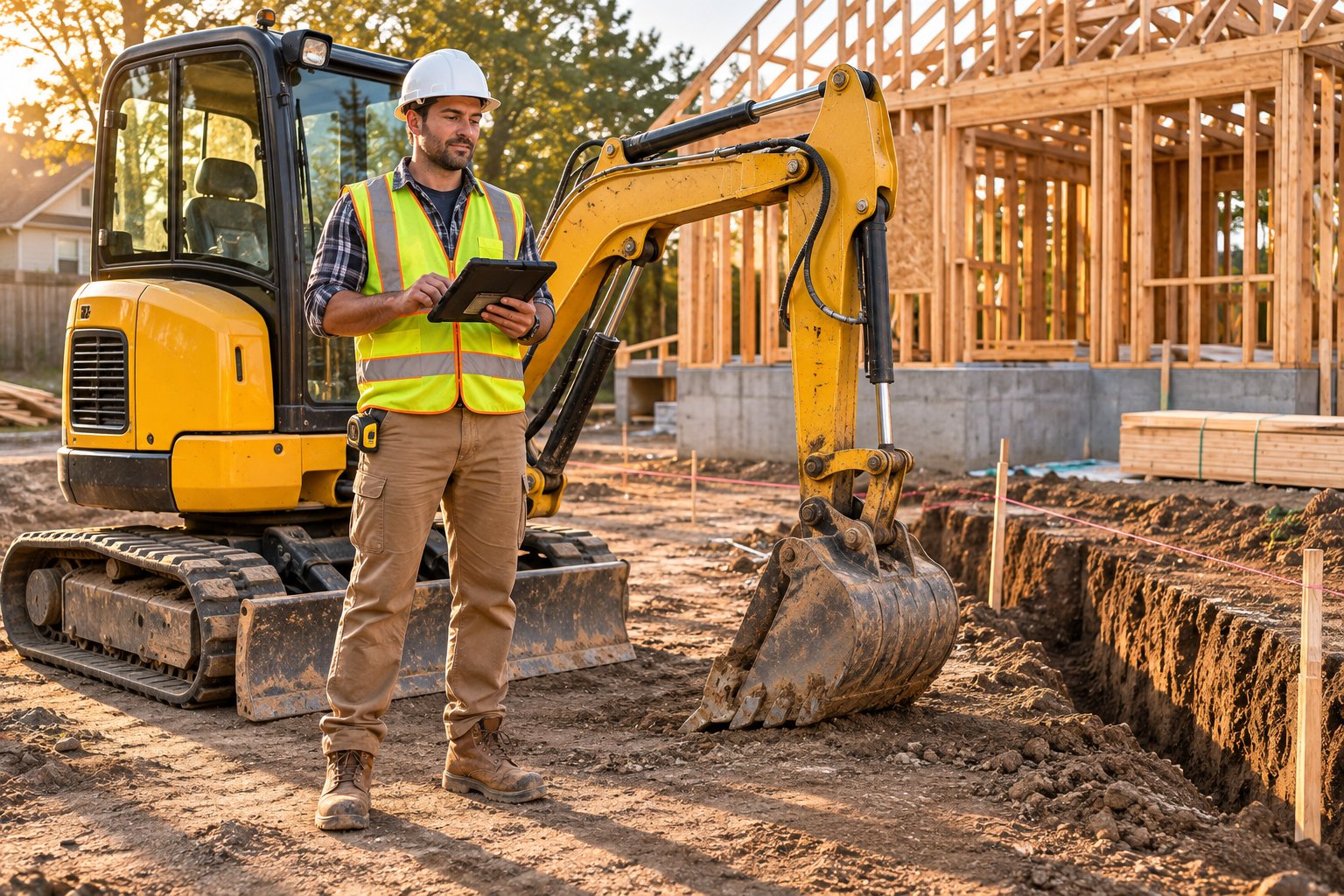
Research without action is just reading. You've worked through the specs, weighed new against used, learned which generation differences justify price gaps, and mapped out every buying channel available. The risk now isn't a lack of information — it's letting that information sit idle while the right machine sells to someone who moved faster.
Turning everything you've learned into a purchase that holds up financially, mechanically, and operationally comes down to following a structured sequence. Skip a step, and you leave money on the table or inherit someone else's problem. Follow them in order, and you walk into every negotiation with the kind of clarity that sellers respect and competitors envy.
Your Cat 310 Buying Decision Checklist
Think of this as your roadmap from first inquiry to signed agreement. Each step builds on the previous one, and rushing past any of them introduces risk that compounds downstream.
- Define your project requirements and confirm the 310 is the right size class. Revisit the comparison between the Cat 308, Cat 310, and Cat 313. If your typical dig depth stays under 15 feet and site access is tight, the 308 may be a better fit. If you regularly need 18+ feet of depth and heavier lifting, the 313 deserves a closer look. The 310 earns its place when your work consistently demands 15 to 17 feet of depth, moderate lifting capacity, and a machine that stays within standard transport limits. Choosing the wrong size class is the most expensive mistake a buyer can make — and it's the one that's hardest to fix after the fact.
- Set a realistic budget that includes transport and attachment costs. The sticker price on a listing is only the starting point. Add trailer or shipping costs (typically $2,000 to $5,000 depending on distance), any attachments you'll need to purchase separately (buckets, thumbs, couplers), insurance, and sales tax or import duties if buying across state lines. A complete equipment buying guide reinforces this principle — heavy machinery often represents a six-figure investment once you factor in logistics, taxes, and tooling. Build those numbers into your ceiling before you start comparing listings, not after.
- Decide between new and used based on your priorities. New delivers warranty protection, current technology, and predictable early-life costs. Used delivers lower upfront investment, reduced depreciation exposure, and faster availability. Your timeline, risk tolerance, and capital position determine which path makes sense. Neither is universally better — only one is better for you.
- Identify two or three buying channels to compare listings. Check an authorized Caterpillar dealer for new or certified used pricing. Browse a specialty used equipment dealer's inventory for curated options with inspection transparency. Scan online marketplaces like MachineryTrader for volume and price range context. Comparing across channels prevents any single seller's ask from distorting your sense of fair market value.
- Inspect or request inspection reports on every shortlisted machine. For used units, this step is non-negotiable. Walk through the full inspection checklist — undercarriage, hydraulics, engine performance, structural integrity, cab electronics, and hour meter verification. If you can't inspect in person, hire an independent technician or request a third-party report. The cost of a professional pre-purchase inspection is trivial compared to the five-figure surprises it prevents. As negotiation specialists emphasize, documented inspection findings become your strongest leverage during price discussions.
- Negotiate based on hours, condition, and market comparables. Pull at least three to five comparable listings matching the same model year, hour range, and configuration. Use documented defects, upcoming service interval costs, and regional pricing data to support your offer. A well-researched opening number grounded in comparable sales data commands respect — it tells the seller you've done the work and you're not guessing.
- Arrange financing or payment before closing. Whether you're using dealer financing, a bank equipment loan, or a lease-to-own structure, get pre-approved before you commit. Pre-approval signals to the seller that you're a serious buyer who can close quickly — and it gives you a clear picture of total acquisition cost, including interest and fees, before you sign anything.
Getting Started With Your Search
The best time to begin contacting sellers is after you've completed the first three steps above — defining requirements, setting a budget, and choosing between new and used. Walking into a conversation with those answers already locked in puts you in control of the process rather than reacting to whatever a salesperson puts in front of you.
Start by reaching out to multiple sources simultaneously. Request quotes from an authorized Cat dealer for baseline pricing. Browse online marketplace listings to gauge current inventory volume and price distribution. And for buyers exploring used Caterpillar excavators specifically, consider contacting JIUHONG's sales team to discuss available Cat models, desired configurations, and project budgets. Their inventory of used Caterpillar excavators — spanning compact and larger models — allows contractors and fleet buyers to compare multiple options through a single dedicated point of contact. This is particularly valuable if you're still weighing the 310 against adjacent size classes or need guidance on which configuration best fits your job mix. As with any used equipment source, confirm specific Cat 310 availability directly, since inventory moves quickly in this market segment.
Cast a wide net early, then narrow aggressively once you've collected enough data to distinguish fair pricing from inflated asks. The buyers who get the best deals aren't the ones who find a single listing and negotiate hard — they're the ones who build a comparison set large enough to recognize value when it appears.
The best equipment purchase is one where the buyer has done enough research to know the right machine, the fair price, and the trustworthy source before committing — everything else is just paperwork.
Every section of this guide was built to move you closer to that position. You understand what the Cat 310 offers and where it sits in the lineup. You can read a spec sheet and translate numbers into job-site performance. You know how weight affects transport, how generation differences affect value, and how buying channels affect risk. The excavator cat price you ultimately pay should reflect all of that knowledge — not just the first number a seller throws at you.
The machine is out there. The information is in your hands. The only step left is yours.
Frequently Asked Questions About the Cat 310 for Sale
1. How much does a Cat 310 excavator cost new and used?
New Cat 310 pricing is available exclusively through authorized Caterpillar dealers and varies by engine option, stick length, counterweight, and cab package. Used Cat 310 units span a wide range depending on machine hours, model year, overall condition, included attachments, and seller type. Industry data places mid-size excavators in the 10,000- to 45,000-pound class between roughly $90,000 and $250,000 new, and approximately $40,000 to $180,000 used. Collecting at least three to five quotes across different platforms and seller types gives you the most accurate picture of current market value.
2. What is the operating weight of a Cat 310 excavator?
The Cat 310 operating weight ranges from approximately 21,026 lbs (9,536 kg) to 23,002 lbs (10,432 kg), depending on configuration. Counterweight options, stick length, bucket selection, and whether a hydraulic thumb is installed all shift the final number. This weight range is significant for transport planning — a fully loaded Cat 310 may exceed a standard 10-ton trailer's capacity, potentially requiring a 12-ton-rated tilt-deck or tag-along trailer. The machine's transport width of 8.10 feet stays under the standard 8.5-foot highway limit, so no oversize width permits are typically needed.
3. What is the difference between a Cat 308, Cat 310, and Cat 313?
The Cat 308 CR weighs roughly 18,500 to 20,000 lbs with a reduced tail swing and dig depth up to about 15.2 feet — ideal for tight residential sites. The Cat 310 weighs 21,000 to 23,000 lbs, digs approximately 17 feet deep, and balances power with standard transportability. The Cat 313 jumps to about 30,400 lbs with 108 hp and nearly 20 feet of dig depth, entering mid-size territory that typically requires a 15-ton trailer and CDL-rated tow vehicle. Choosing between them depends on your typical dig depth, lifting needs, and transport setup.
4. What attachments are compatible with the Cat 310?
The Cat 310 supports a wide range of attachments thanks to its standard thumb-ready linkage and dual auxiliary hydraulic circuits. Compatible tools include digging buckets in widths from 12 to 48+ inches, hydraulic thumbs, breakers for concrete demolition, augers for post holes and pier footings, quick couplers for rapid tool changes, compaction plates, rippers, and grapples. Purchasing a Cat 310 that already includes key attachments like a bucket set, thumb, and coupler can save thousands compared to sourcing those items separately and also boosts future resale value.
5. Where is the best place to buy a Cat 310 excavator?
Buyers have five primary channels: authorized Caterpillar dealers offer the highest transparency and warranty coverage at premium pricing; specialty used equipment dealers like JIUHONG (jiuhong-machinery.com) provide curated inventory with inspection reports and dedicated sales support at moderate pricing; online marketplaces such as MachineryTrader offer volume and comparison power but require thorough buyer due diligence; auction houses can deliver competitive pricing but typically sell units as-is; and private sellers may offer the lowest asking prices with the least buyer protection. Comparing listings across at least two or three channels gives the most accurate sense of fair market value.