

What a Cat 330 Excavator Is and Why Listings Vary So Much
When you search for a cat 330 excavator for sale, the results mix high-hour machines with Cat 3306 engines and late-model units with factory grade control. All of them carry the same model name. A clear definition helps before you start comparing them.
What the Cat 330 Excavator Is
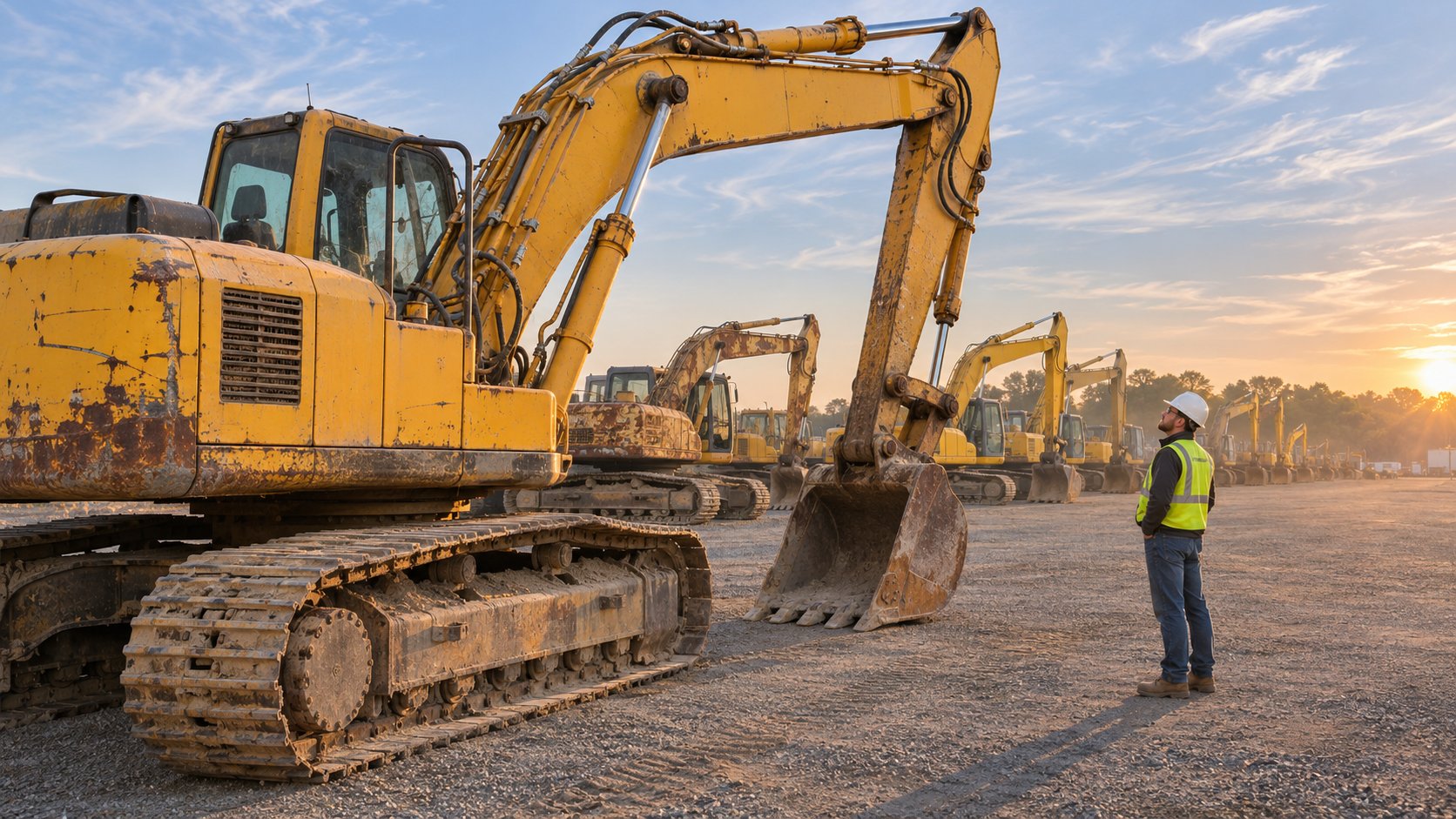
The Cat 330 is Caterpillar's long-running 30-ton-class crawler excavator, often called a trackhoe. Cat dealers sell the current model new, and earlier generations resell through used equipment marketplaces. Contractors use it for construction digging, trenching, truck loading, material handling, and quarry and mining support.
Caterpillar still places the current 330 and 330 GC in its 30-ton size class. Sellers and buyers often call any of these machines a Cat 330 trackhoe, whatever its build year.
Why Cat 330 Listings Cover So Many Machines
Marketplaces group roughly three decades of production under one model name. The Caterpillar 330 category on MachineryTrader shows 811 listings. The first page of results alone includes:
- A 330B-era serial number with a Cat 3306 engine and 10,724 hours
- A 330C with 16,393 hours
- A 2018 330FL
- A 2022 Cat 330 equipped with 2D grade control, Grade Assist and Payload
- Several 330 GC units
Hour meter readings on that page range from 825 to 17,500. If you compare asking prices across that spread, you're comparing machines from different generations with different emissions tiers. A listing labeled "Cat 330 excavator" tells you very little until you know which generation it belongs to.
Who This Buyer's Guide Is For
This guide is for contractors, fleet managers and importers who want to screen listings before they call a seller. Read it before you browse. It covers:
- Each Cat 330 generation and how they differ
- What the suffixes and fields in a listing title mean
- Factory technology and how to confirm a unit has it
- How to judge price against comparable listings
- A pre-purchase inspection checklist
- Used versus new trade-offs
- Ownership costs beyond the purchase price
- How to build a shortlist and what to ask sellers
Start by working out which generation a listing belongs to. Two machines that are both sold as a "330" can have different engines, emissions tiers and cab electronics.
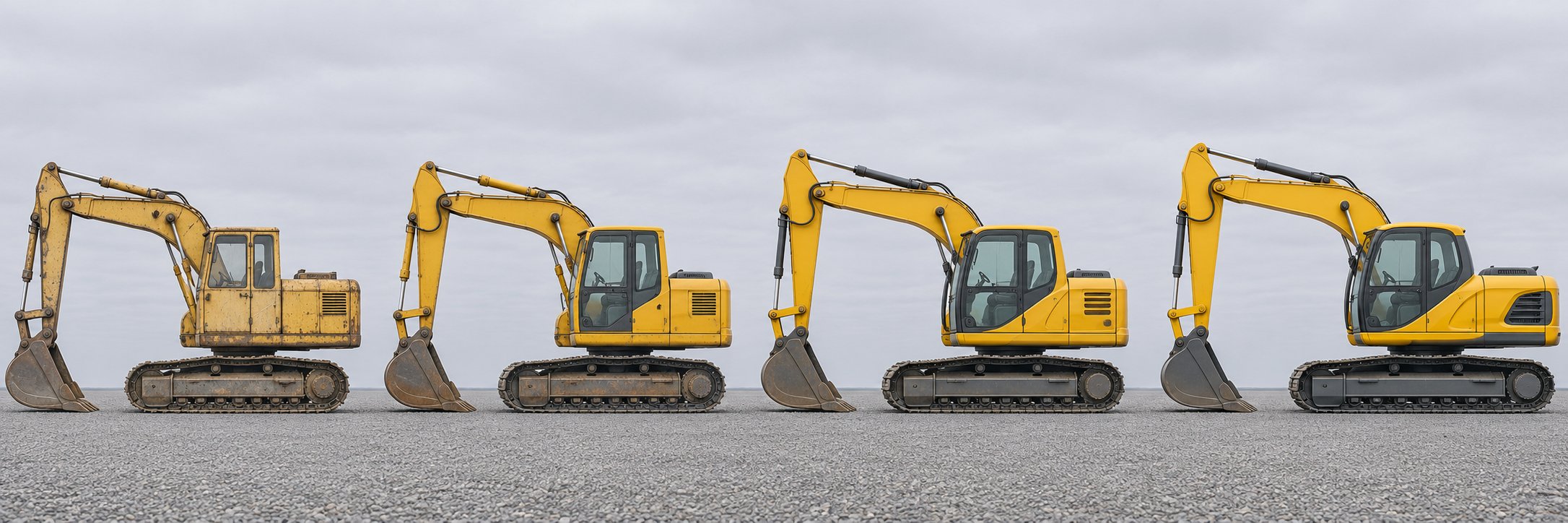
Cat 330 Generations From the 330B to the Current 330 and 330 GC
Imagine two listings side by side. Both are titled Cat 330, and both ask about the same price. One could be a Tier 2 machine with a basic color monitor. The other could be a Tier 4 Final machine with grade control built into the cab. The table below lines up the generations you'll see in listings, so you can work out which one a machine belongs to before you judge its price.
| Generation | Approximate production period | Emissions tier | Operating weight | Engine power | Key technology changes |
|---|---|---|---|---|---|
| 330 (original) | Verify with Cat spec sheet | Verify with Cat spec sheet | Verify with Cat spec sheet | Verify with Cat spec sheet | Verify with Cat spec sheet |
| 330B L | Verify with Cat spec sheet | Verify with Cat spec sheet | Verify with Cat spec sheet | Verify with Cat spec sheet | Verify with Cat spec sheet |
| 330C / 330C L | Verify with Cat spec sheet | Verify with Cat spec sheet | Verify with Cat spec sheet | Verify with Cat spec sheet | Verify with Cat spec sheet |
| 330D L | Verify with Cat spec sheet | Verify with Cat spec sheet | Verify with Cat spec sheet | Verify with Cat spec sheet | Verify with Cat spec sheet |
| 330D2 L | Replaced by the Next Generation 330 | U.S. EPA Tier 2 / EU Stage II equivalent | 30,305 kg (66,810 lb) | 157 kW (211 hp) net | Cat C7.1 ACERT engine, isochronous engine speed control, ECO mode, electric fuel priming pump, color LCD monitor, Product Link |
| 330E L | Verify with Cat spec sheet | Verify with Cat spec sheet | Verify with Cat spec sheet | Verify with Cat spec sheet | Verify with Cat spec sheet |
| 330F L | Replaced by the Next Generation 330 | Verify with Cat spec sheet | Verify with Cat spec sheet | Verify with Cat spec sheet | Verify with Cat spec sheet |
| 330 (current generation) | Current model (spec sheet dated 08-2020) | U.S. EPA Tier 4 Final / EU Stage V | 30,000 kg (66,000 lb) | 204 kW (273 hp) net, ISO 9249 | Cat C7.1 engine, electronic main control valve, Cat GRADE with 2D, Grade Assist, Payload, 10-inch touchscreen monitor |
| 330 GC | Current model, sold alongside the 330 | Verify with Cat spec sheet | Verify with Cat spec sheet | Verify with Cat spec sheet | Next Generation cab with keyless start and touchscreen; less power and lift capacity than the 330 |
Sources: Cat 330 Technical Specifications (AEXJ0085-03, 08-2020) for the current 330; Cat 330D2 L specifications for the 330D2 L; Finning's Next Generation launch release for replacement history and 330 GC positioning. Rows marked 'verify with Cat spec sheet' had no official spec sheet in the references used for this guide.
Early Generations From the Original 330 to the 330B L
The original 330, the Cat 330B and the Cat 330BL are the oldest machines you'll find for sale, and they have the least documentation. Their Caterpillar spec sheets aren't among the references behind this guide, so the table leaves those cells open instead of guessing. The gap between these machines and current ones still shows up in listings. The 330B-era unit on MachineryTrader mentioned earlier lists a Cat 3306 engine. The current 330 uses a Cat C7.1.
For these older units, treat every engine, weight and emissions claim as the seller's statement. Match the serial number to Cat's spec sheet for that generation before you rely on any of it.
The 330C and 330D Era
Verify the 330C, 330C L and 330D L the same way. The 330D2 L has better documentation. On its 330D2 L page, Caterpillar lists a C7.1 ACERT engine rated at 157 kW (211 hp) net and an operating weight of 30,305 kg (66,810 lb). Cat rates that engine to U.S. EPA Tier 2 and EU Stage II equivalent standards. The D2 L added several efficiency and service features:
- Isochronous engine speed control and an ECO power mode to reduce fuel use
- An electric fuel priming pump in place of a hand primer
- A three-filter fuel system and 500-hour service intervals
- A full-color LCD monitor with 42 language options, plus Product Link telematics
The 330D L and the 330D2 L are separate models. Confirm which one the seller has before you apply D2 L specs to a listing.
The 330E L and 330F L Machines
The 330E L and 330F L came after the D-series and before the current machine. Their spec sheets aren't in the reference set either. Don't rely on the model name to tell you the emissions tier. Read it from the engine emissions label and the Cat spec sheet for that serial number.
Caterpillar's launch material names the Cat 330F as one of the models the current 330 replaced. Cat says the new 330 uses up to 20 percent less fuel per unit of work than the 330F. It also lifts nearly 10 percent more, thanks to a larger 6,700 kg (14,770 lb) counterweight.
The Current Cat 330 and the 330 GC
The current 330 meets U.S. EPA Tier 4 Final and EU Stage V standards. It runs a Cat C7.1 rated at 204 kW (273 hp) net and weighs 30,000 kg (66,000 lb) with a long undercarriage, reach boom and 3.2 m stick. Its hydraulics are rated higher than the 330D2 L's. Implement flow is 560 L/min versus 480 L/min, and swing torque is 110 kN-m versus 82.2 kN-m.
The cab and electronics changed even more. Finning describes Cat GRADE with 2D and Grade Assist as standard on the 330 and also covers Payload, Lift Assist and E-fence. Under the skin, a new electronic main control valve removes the pilot lines, and auto-reversing electric fans handle cooling.
The 330 GC is the simpler, lower-cost model. Caterpillar positions it for reliability and low cost per hour, with reduced fuel and maintenance costs. The standard 330 has more power, more lift capacity and more standard technology, and the optional 360-degree camera view is offered on the 330 only. Both models share the Next Generation cab, which includes keyless push-button start and a touchscreen monitor with a jog dial. Don't assume a GC listing includes grade control or Payload. Ask the seller for the build configuration.
Few listings name the generation as plainly as this table does. Most leave clues instead, in a title suffix such as L or FL and in the serial number prefix. Learning to read those clues is the fastest way to sort a page of results.
How to Read a Cat 330 Listing Title and Its Fields
Have you seen "330FL TC" and "330 GC" on the same page of results and wondered if they're the same machine? They aren't. A listing title squeezes the generation and configuration into a few letters. The fields below the title show how much of the seller's description you can check. Reading both takes a few minutes and can save you a wasted phone call.
What L, FL, TC and GC Mean in a Cat 330 Listing
The letters after the model number give you the first clue. L stands for long undercarriage, so a 330C L or 330D2 L sits on the longer track frame. FL is the F-series version of that designation, as in 330FL. GC marks the current-generation standard model. WesTrac, a Cat dealer, describes Cat's GC range as machines for buyers focused on cost and value. WesTrac lists the 330 GC at 212 hp (157.8 kW) net.
TC is harder to pin down. You'll see it in titles such as "330 TC" and "330FL TC" on MachineryZone. None of the Caterpillar or dealer documents used for this guide define it. Ask the seller what TC refers to and get it in writing. Don't guess.
Spelling matters when you search. Sellers write cat330, cat-330 or c330, so search each variant to catch listings that one search would miss. The term c330 also matches unrelated products that use the same code, so filter results to the crawler excavator category.
Reading Year, Hours, Serial Prefix and Location
The serial number prefix tells you the most. A Cat serial number has 8 characters: a 3-character prefix followed by a 5-digit sequence number. On machines built from 2001 onward, the serial number fills positions 10 to 17 of a 17-character Product Identification Number (PIN), a format set by the ISO 10261 standard. Broken Tractor's prefix guide explains that the prefix identifies the model, the configuration and the factory that built the machine. The prefix does not encode the model year. A Cat dealer can look up the build date from the full serial number, so treat a listed year with no source as unconfirmed.
On Cat excavators, the serial plate is usually on the outside of the cab, on the right side below the window. If the serial number has been ground off, the machine may be stolen. Broken Tractor's advice in that case is to walk away.
| Suffix or field | What it means | What to verify |
|---|---|---|
| L | Long undercarriage | Check that the serial prefix matches an L configuration |
| FL | F-series machine with a long undercarriage | Confirm it is an F-series machine and check the emissions tier on the engine label |
| TC | Not defined in Cat or dealer documents reviewed for this guide | Ask the seller to explain and document what it means |
| GC | Current-generation standard model with a focus on cost and value | Ask for the build configuration, because technology features differ from the standard 330 |
| Model year | The seller's stated year, often taken from paperwork | Confirm the build date with a Cat dealer using the full serial number |
| Hour meter reading | Operating hours shown on the meter or monitor | Ask whether the meter or monitor was ever replaced, and compare hours with service records |
| Serial number prefix | The first 3 characters of the serial number, which identify model, configuration and factory | Match the prefix to the generation claimed in the title |
| Location | Where the machine is parked now | Check transport distance, permits, and import rules if the machine is across a border |
| Call for price | The seller has not posted a price | Ask for a written quote that lists what the price includes |
What to Verify Before You Call the Seller
Say a 330D L a few states away looks fairly priced. Before you call, ask the seller to send:
- A clear photo of the serial plate showing the full PIN or the 8-character serial number
- A photo of the hour meter or monitor screen showing current hours
- Service records with a date and hour reading for each entry
- Lien and ownership status, with proof that the seller has the right to sell
- The machine's current location, so you can plan transport and permits
These documents confirm which machine you're looking at. They don't show which technology the machine had when it left the factory. Two current-generation 330s can be configured differently, and listing titles rarely say whether a unit has grade control or Payload.
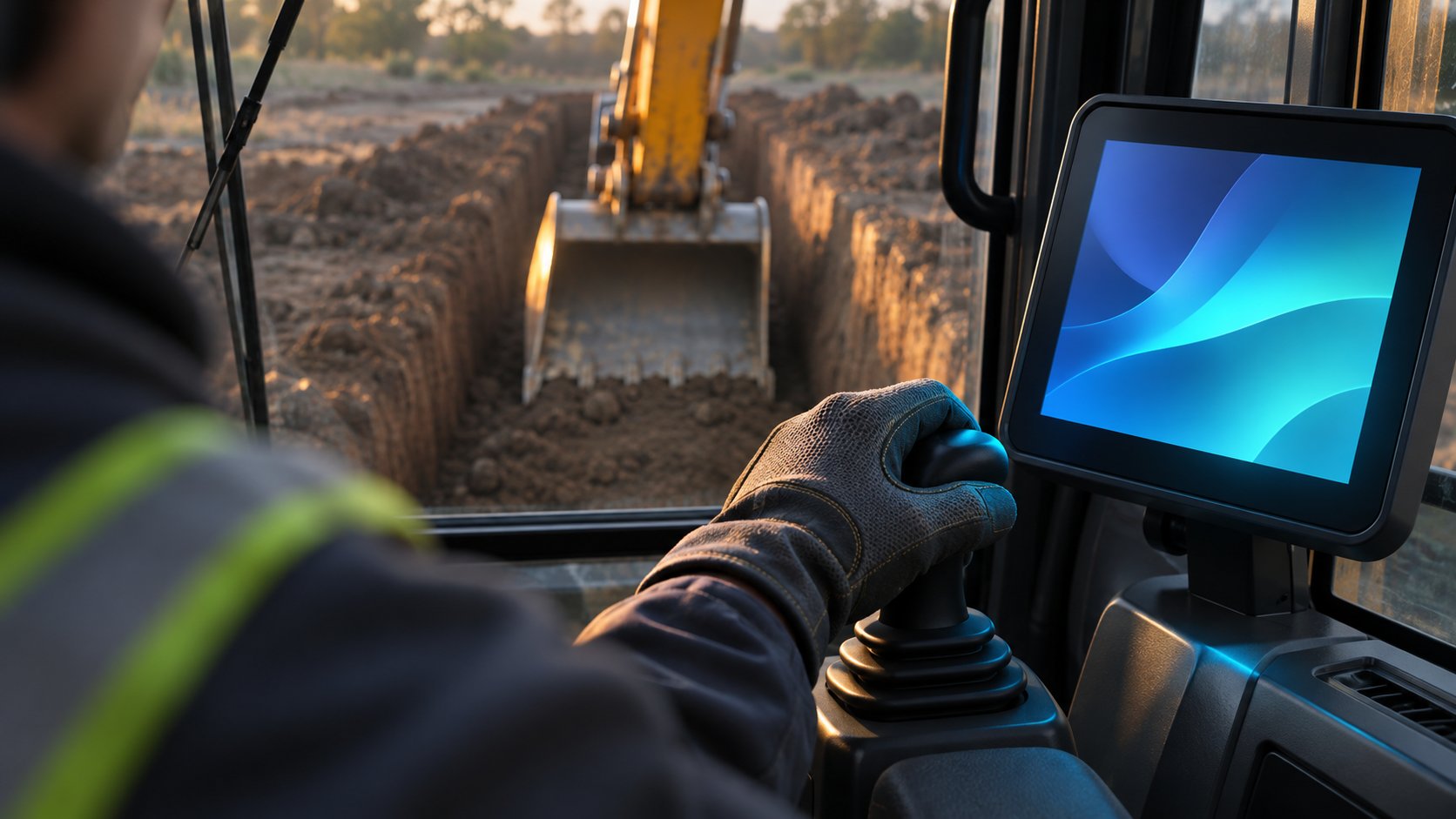
Factory Technology on the Cat 330 and How to Verify It
Dealer copy for the current Cat 330, such as Empire Cat's product page, names three features: Cat Grade with 2D, Grade Assist and Payload. Used listings often repeat those names. You'll want to know what each one does and whether the machine you're looking at actually has it.
What Cat Grade With 2D Does in Practice
Picture a utility trench where a crew member climbs in every few passes to check depth. Cat Grade with 2D moves that check into the cab. Caterpillar describes it as an indicate-only system. It shows how far the bucket cutting edge is above, below or on grade relative to a benchmark point, but it doesn't move the machine. The operator sets a target depth and slope and adjusts them with the joystick, touchscreen or jog dial. Audio alerts sound when the bucket reaches grade, and E-fence alerts warn of nearby obstacles. Cat lists basements, footings, foundations, utility trenches, slopes and drainage ditches as typical jobs.
How Grade Assist and Payload Help on Site
Grade Assist takes over boom and bucket functions to hold the set depth and slope while the operator controls stick speed with one hand. Cat calls this single-lever digging, and it relies on machine position sensors. The same family includes Bucket Assist, Boom Assist, Swing Assist and Tilt Assist.
Cat Payload weighs material while the machine works. It calculates bucket weight from sensors that measure bucket position and hydraulic pressure, then adds each pass to a running truck total on the touchscreen. When you're loading trucks, that helps you avoid overloading and underloading. Cat notes that Payload weights are not legal for trade, so they don't replace a certified scale for billing.
These features came with Caterpillar's Next Generation platform, which launched on the 320 in 2017 and spread across the excavator line through 2022. A Caterpillar 330 built before that, from the 330B through the 330F L, won't have them from the factory unless the seller documents a retrofit. Current units vary as well, because a 330 GC or a lightly optioned 330 may lack some of them.
How to Confirm a Used Cat 330 Has These Features
- Check the in-cab monitor menus. Ask for photos or a video of the touchscreen showing working Grade and Payload screens.
- Request the build record. Give a Cat dealer the serial number and ask for the factory build sheet or configuration record.
- Look for the hardware. These systems depend on position and hydraulic pressure sensors. If the listing mentions laser grading, look for the optional laser catcher.
- Ask about subscriptions and activations. Advanced Payload needs an additional software license, Grade with 3D runs on monthly, annual or perpetual plans, and VisionLink reporting needs a subscription for each machine. Ask whether each one transfers to you or ends at the sale.
A confirmed technology package changes what a Caterpillar 330 excavator is worth. This is one reason asking prices for similar-looking units can be far apart, and why a single average price tells you little about any one machine.
How to Judge Cat 330 Excavator Prices Without Blended Averages
Say you find a 330FL listed at $130,000, and a marketplace tells you the average Cat 330 excavator price is about $128,000. Is that a fair deal? You can't tell yet, because the average and the machine may have almost nothing in common.
Why a Blended Average Misleads Cat 330 Buyers
The Caterpillar 330 category on MachineryTrader shows an average price of $127,767. That number blends all 811 listings, which cover roughly 30 years of production and every generation. An 825-hour machine and a 17,500-hour machine both count toward it. It describes the whole category and tells you little about any one listing.
MachineryZone has the same problem. One page of Cat 330 listings ran from $24,999 for a 1992 330L in California to $472,566 for a 2025 330-07 in Illinois. The numbers get much closer once you narrow the set. Six 2018 and 2019 units in Texas and Oklahoma, with 3,765 to 5,933 hours, were priced from $127,497 to $199,997.
| Source | Date retrieved | Price figure | What the figure covers |
|---|---|---|---|
| MachineryTrader, Caterpillar 330 category | November 17, 2026 | $127,767 average | All 811 listings, every generation, roughly 30 years of production |
| MachineryZone, Caterpillar 330 page | November 17, 2026 | $127,497 to $199,997 | Six 2018 and 2019 units (330, 330 TC, 330FL, 330FL TC) with 3,765 to 5,933 hours, in Texas and Oklahoma |
| MachineryZone, Caterpillar 330 page | November 17, 2026 | $24,999 to $472,566 | Every priced listing on the page, from a 1992 330L to a 2025 330-07 |
| MachineryZone, 330 GC page | November 17, 2026 | $74,998 to $381,952 | Priced 330 GC listings in the U.S., Europe and China; many others show price on request |
All figures are asking prices, not sale prices, and they change as listings are added and removed.
Comparing Like With Like by Generation, Hours and Region
Even among similar machines, several factors move the price:
- Hours: One 2018 330FL in Texas with 3,765 hours asked $158,997. A 2017 330FL in Texas with 8,425 hours asked $94,998.
- Configuration and attachments: Suffixes such as TC, LR and THB can signal different setups. Ask each seller what is included.
- Region: Sellers in China listed 2026 model-year 330 GC units with 900 to 1,000 hours at $74,998 to $81,998. In Texas, 2023 GC units with 3,534 and 3,992 hours each asked $189,996. A machine built for another market may have a different emissions tier or spec, and the asking price doesn't include import costs.
- Condition and seller type: A dealer price may include prep or inspection, and a private sale often doesn't. Get both prices on the same basis before you compare them.
To build a fair comparison for any Cat 330 for sale:
- Filter by the same generation, confirmed by the serial prefix, not just the title.
- Keep listings within a similar hours band, for example within about 1,500 hours of your target.
- Stay in the same region, or add estimated transport costs to listings from farther away.
- Remove duplicates. Two 2018 330FL TC listings in Oklahoma with 5,933 hours and $127,497 asking prices may be the same machine.
- Check outliers, such as a 2019 Cat 330 with 4,251 hours priced at $464,992. A wrong year or model in the title can produce a number like that.
- Collect at least five listings and use the median. One outlier pulls an average much further than it pulls a median.
- Compare asking prices with sold results, such as the auction data in Purple Wave's Cat 330 price guide.
What a Call for Price Listing Usually Means
On MachineryZone's 330 GC page, more than half of the 47 ads show "Price on request". Some of those come from one Texas seller with 2020 to 2025 units. A hidden price can mean the figure depends on financing, trade-ins or export destination, or that the seller would rather negotiate. Leave these listings out of your median. If you call, ask for a written quote that lists what the price includes.
A median from well-matched listings still assumes the machines are in similar condition. Two 2018 330FLs with the same hours can have very different undercarriages, and only an inspection shows which one is worth its asking price.
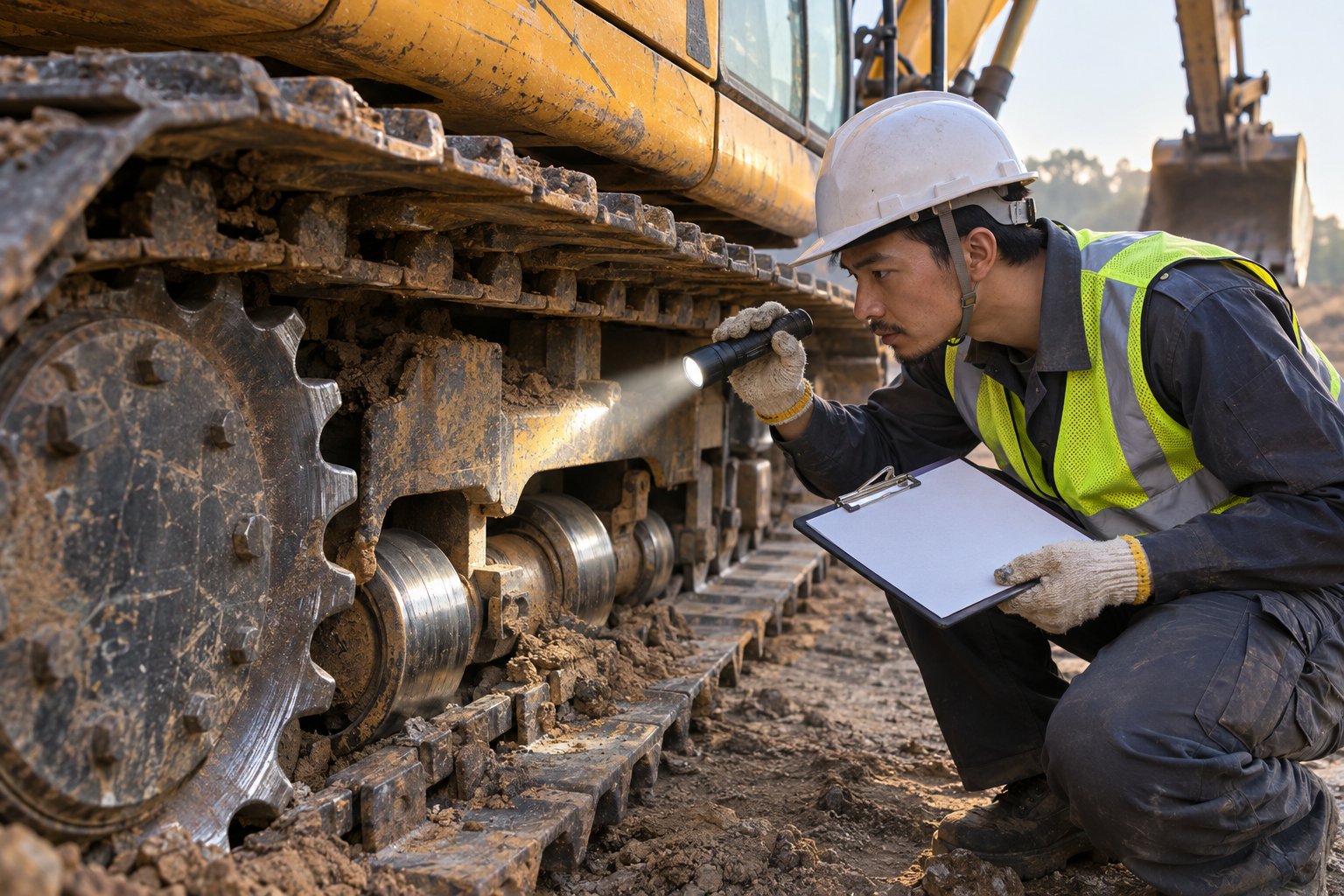
Pre-Purchase Inspection Checklist for a Used Cat 330
Fresh paint and a reasonable hour reading tell you very little about the parts that cost the most to fix. Work through the machine in order of repair cost, starting with the undercarriage, then the hydraulics, engine and swing system, then the structure and cab. Finish by checking that the records match what you saw. You can print the lists below and take them to the yard, or send them to an inspector who is working for you.
Undercarriage and Track Inspection
Start with the undercarriage. Liehuang's inspection checklist cites Equipment World figures that put it at 40 to 60 percent of a machine's lifetime owning cost. Each component wears at a different rate, so measure each one separately. A track can look fine overall while one part is close to its limit.
- Track chains: Measure pin-to-pin over a set of links to find pin and bushing stretch. Count the links and compare with the factory count, because a removed link can hide a worn chain.
- Rollers: Check the track rollers and carrier rollers for uneven wear and for oil weeping from the seals.
- Idlers: Look for flange wear. Note whether the idler sits at full forward travel while the track is still slack.
- Sprockets: Look for hooked or pointed teeth and for loose bolts.
- Shoes: Look for bent or cracked shoes, worn grousers and missing bolts.
- Track tension: Measure track sag and compare it with the operator's manual. Gregory Poole, a Cat dealer, notes that a track that is too tight wears out faster.
- Final drives: Check the housings for leaks and ask when the gear oil was last changed. Texas Final Drive reports that neglected gear oil on Cat 330 final drives can damage the planetary gears and the coupler.
Compare every measurement with Cat's published wear limits for that model, taken from the service manual or supplied by a Cat dealer. If a seller quotes an undercarriage percentage and can't show the measurements and wear limits behind it, treat that number as an estimate.
Hydraulics, Engine and Swing System Checks
Ask the seller not to start the machine before you arrive. A warm engine can hide hard starting and smoke, and slow leaks are easier to spot on a cold machine.
- Leaks: Look under the machine and along the boom before startup. Look again after the test run, with the service panels open.
- Cylinder rods: Check for scoring, pitting and wet seals. Raise the boom with a loaded bucket, hold it there, and watch whether it drifts down.
- Pump and cycle response: Run the boom, stick, bucket, swing and travel functions. Listen for whining or knocking, and note any function that is slow or uneven.
- Hoses: Look for cracks, rubbed covers and fittings that weep.
- Hydraulic oil: Milky or foamy oil points to water or coolant contamination, and Liehuang treats it as a reason to walk away.
- Cold start: Watch the exhaust. Blue smoke suggests burning oil, white smoke that doesn't clear suggests coolant, and thick black smoke suggests a fuel or air intake fault.
- Blow-by: With the engine running, check for heavy vapor at the oil fill cap.
- Fluid analysis: Send samples of the engine, hydraulic and final drive oil to a lab. Check the coolant for traces of oil.
- Swing bearing: Use a dial indicator to measure deflection at four positions around the turntable.
- Swing drive: Listen for grinding or clunking during swing, and check the swing gearbox oil for water.
Pins, Bushings, Cab Electronics and Service Records
- Pins and bushings: Have the operator press the bucket down and release it while you watch each joint for side play.
- Cracks and weld repairs: Inspect the weld lines on the boom and stick. A plated repair means the machine was put under unusual loads, so ask for the repair records.
- Counterweight: Loose bolts or elongated bolt holes can be signs of overloading.
- Monitor fault codes: Read both the active codes and the logged codes.
- Gauges and controls: Confirm that every gauge, switch and light works. On a current-generation unit, check that grade control powers up and holds its calibration.
- AC function: Run the AC and check that the cab cools.
- Hour meter consistency: Compare the meter reading with the hours stored in the engine control module and with the hours recorded in the service entries. Liehuang considers the hours unverified when these differ by more than 10 percent.
- Oil sampling history: Ask for past fluid analysis reports. A series of results over time tells you more than one clean sample.
Older machines need closer review. A 330C or Cat 330D has probably had several owners, and how it was maintained matters more than its hour reading. On a Caterpillar 330D, ask whether the undercarriage, pins and bushings, or hydraulic pumps were ever replaced, and when. If the seller has no records, assume the work was never done.
Hire an independent third-party inspector or book a Cat dealer inspection before you pay a deposit, especially if you are buying from another region or another country and can't see the machine yourself.
An inspection report tells you what a used machine will need in the near term. It doesn't give you a warranty or current-generation technology. Compare that repair list with the price of a new 330 before you choose between the two.
Used Versus New Cat 330 and the Trade-Offs That Matter
Would you rather pay more for a machine with a warranty and factory grade control, or less for one that has already worked a few thousand hours? Your answer depends on technology, emissions compliance, warranty and support, and price. A new Tier 4 Final or Stage V Cat 330 comes from a Cat dealer such as Empire Cat. A used 330 Cat excavator usually comes from a marketplace or a used equipment exporter.
What a New Cat 330 From a Dealer Includes
A new unit is the current-generation 330 described earlier. It has a Cat C7.1 engine rated to U.S. EPA Tier 4 Final and EU Stage V. You choose the technology package when you order, so you don't have to find a used unit that already has Grade with 2D, Grade Assist or Payload.
Support is the other main difference. New Cat machines come with a Caterpillar Limited Warranty that covers parts and labor for 12 or 24 months, or for a set number of operating hours. Dealers also sell Equipment Protection Plans (EPPs) that extend coverage past the warranty with no deductible. You can finance an EPP together with the equipment loan or lease.
What You Give Up and Gain With a Used 330 Caterpillar
A used machine costs less up front, and there are far more of them to choose from. In exchange, you take on more risk. Many marketplace units have little or no factory warranty left, and machines from the 330B through the 330F L don't have current-generation technology. You can still add coverage. Cat says an EPP can cover used Cat excavators, including Cat Certified Used machines. In many cases an existing plan also transfers with the machine when it's sold within the same region, so ask the seller whether the machine has one.
| Factor | New Cat 330 from a dealer | Used Cat 330 from a marketplace or exporter |
|---|---|---|
| Technology | Current generation, with Grade with 2D, Grade Assist and Payload available from the factory | Depends on the generation. Pre-Next Generation units won't have these features unless a retrofit is documented |
| Emissions tier | U.S. EPA Tier 4 Final / EU Stage V | Ranges from older tiers to Tier 4 Final. Check the engine emissions label |
| Warranty | Caterpillar Limited Warranty, with optional EPP | Remaining coverage, if any. An EPP can be added through a Cat dealer |
| Financing | Dealer and Cat Financial loans or leases, and an EPP can be included in the payment | Varies by seller and lender. Confirm the terms before you pay a deposit |
| Price reference | Quote from dealer | $127,767 MachineryTrader average across all generations. $127,497 to $199,997 for 2018 and 2019 MachineryZone units with 3,765 to 5,933 hours (both retrieved November 17, 2026) |
New Cat 330: Pros
- Meets current Tier 4 Final and Stage V emissions standards
- You choose the factory technology configuration
- Comes with the factory warranty and dealer support
- Has a complete history starting from zero hours
New Cat 330: Cons
- Costs the most up front
- The price comes only from a dealer quote, so it's hard to compare with other options in advance
Used Cat 330: Pros
- Lower asking prices, as the snapshots above show
- A large pool of machines, with 811 listings on MachineryTrader alone
- EPP coverage is available for qualifying used Cat machines
Used Cat 330: Cons
- An older emissions tier may limit where you can operate the machine
- Older generations don't have factory grade control or Payload
- You have to verify the hours, records and condition yourself
Emissions Rules That Decide What You Can Run
Before you choose a generation, check your local emissions rules. California is a clear example. The amended CARB Off-Road Regulation has barred fleets of every size from adding Tier 3 vehicles since January 1, 2024. Restrictions on adding Tier 4 Interim vehicles started in 2024 for large and medium fleets. They start in 2028 for small fleets and 2035 for ultra-small fleets. Tier 2 vehicles that fleets already own must be retired by 2028 for large fleets, 2030 for medium fleets, 2032 for small fleets and 2036 for ultra-small fleets. Under these rules, a Tier 2 330D2 L that can work legally in many countries can't be added to a California fleet.
Other states and countries have their own rules. If you're looking at a Caterpillar 330 excavator for sale in another market, confirm its emissions tier with your local regulator before you agree on a price.
A fair asking price on a compliant machine still doesn't cover everything you'll spend. A 30-ton-class excavator has to be hauled to your site, fitted with the right buckets and couplers, and maintained. Those costs rarely appear in a listing.
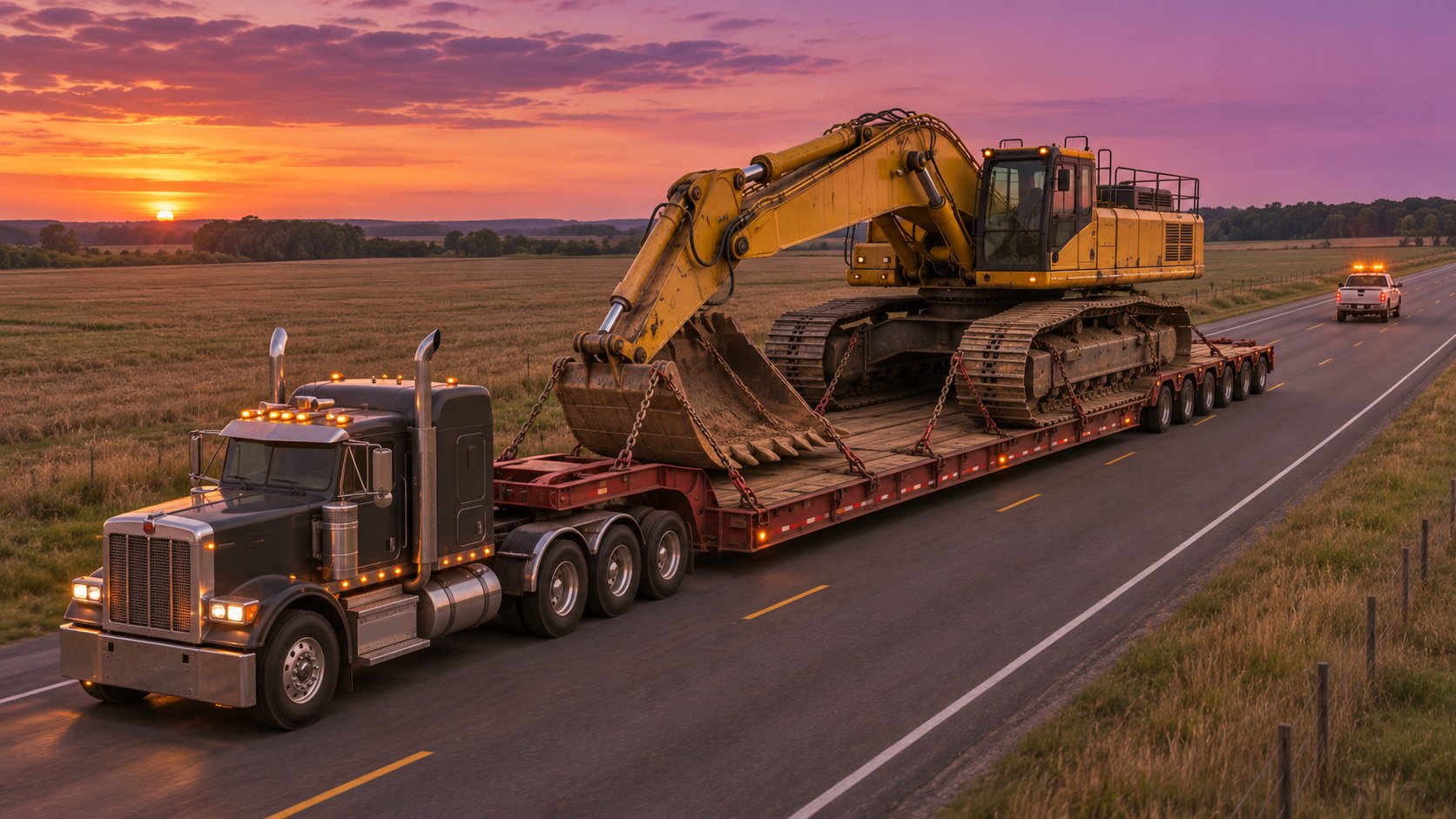
Hidden Ownership Costs Beyond the Purchase Price
Picture two Cat 330 listings with the same asking price. One machine is 50 miles away and comes with a bucket and coupler. The other is 1,000 miles away with a bare stick and a worn undercarriage. The listings show the same price, but the two machines won't cost you the same by the time either one digs its first trench. Here is what to price yourself:
- Transport and permits: The cost depends on distance, trailer type and how many states or countries the route crosses.
- Dealer prep or reconditioning: Some sellers service or repair the machine before handover, and others sell it as is.
- Attachments: Check which buckets, couplers, hammers or thumbs come with the machine and whether it has the hydraulics to run them.
- Undercarriage replacement: The cost depends on how much wear life is left in the chains, rollers, idlers, sprockets and shoes.
- Routine wear parts: Ground conditions and operating hours decide how often you replace teeth, cutting edges and filters.
- AC servicing: The cost depends on the refrigerant type and the condition of the system.
Transport, Prep and Attachment Costs
Weight drives the transport bill. The current 330 weighs about 66,000 lb by itself, so it moves on a lowboy trailer. Ship A1 explains that a load needs oversize or overweight permits on U.S. Interstates if it is wider than 102 inches or if the truck, trailer and machine together weigh more than 80,000 lb. Large excavators usually need a permit from each state on the route, and some moves also need escort vehicles. Ship A1 quotes $2 to $5 per mile for shorter hauls, with lower per-mile rates on long ones. Fuel, toll and insurance fees can be added on top. Rush orders cost more.
Ask what each seller's price covers. A dealer price may include servicing that a private seller leaves to you. A hammer needs an auxiliary hydraulic circuit. Breaker suppliers also size hammers by carrier weight, so you can't assume any hammer will fit a 30-ton machine.
Undercarriage Replacement and Wear Parts
The measurements from your inspection show roughly when you'll have to pay for undercarriage work. Dozco lists the signs that replacement is due:
- Rollers, idlers, sprockets or links worn past the manufacturer's specs
- A track that keeps needing to be tightened
- Damaged shoes
- Clicking or grinding noises
If a 330 excavator shows several of these signs, plan for the work soon after you buy it. Pay close attention when you look at a Cat 330C excavator for sale, because older machines have had more owners and more time to wear through a track set. Rock and other abrasive ground also wear out bucket teeth and cutting edges faster.
What the R134a Refrigerant Note Means for AC Servicing
Empire Cat's 330 page includes a disclosure that the AC uses R134a. The note tells you which refrigerant the system is charged with. Servicing has to be done by a technician certified to handle that refrigerant. Local refrigerant rules can affect the cost and availability of a recharge. MACS notes that off-road AC service has followed automotive standards, and that off-road technicians need extra training as cars move to R-1234yf and R-744. Ask the seller when the AC was last serviced.
When you compare listings, add transport, prep, attachments, undercarriage work, wear parts and AC servicing to each asking price, then compare the totals.
Adding these costs can reorder your list of Cat 330 excavators for sale. The totals can also show whether a 330 is the right size for your work, or whether a neighboring model would fit better.
Shortlisting a Used Cat 330 and Comparable Machines
By now each listing on your list should have a confirmed generation, a price you've compared with similar machines, and an estimate of the costs the listing leaves out. Two questions remain. Does a particular machine fit your work, and would a machine one size up or down fit it better?
A Used Caterpillar 330D2L Option for Construction and Mining Work
The used Caterpillar 330D2L excavator from JIUHONG is one example, positioned for construction and mining work. Screen it the same way you would screen any other listing. Ask JIUHONG for current availability, the serial number, inspection information and a purchase-and-shipping quote. Then go through the inspection checklist from earlier, and confirm that the configuration suits your digging, loading or material-handling work.
Be realistic about what a D-series machine includes. Cat rates the 330D2 L engine to U.S. EPA Tier 2 and EU Stage II equivalent standards. The machine has no factory Grade Assist or Payload. Before you go further, confirm that a Tier 2 machine is allowed where you plan to run it.
When a Cat 336, Cat 340 or Cat 310 Fits Better
If you load trucks all day or run large work tools, a bigger machine may pay for itself. In its 340 launch release, Caterpillar lists a Cat C9.3B engine rated at 259 kW (347 hp) and an operating weight of 37,500 kg (82,700 lb). Cat places the 340 in the 40-tonne (45-ton) class and rates it 10 percent more productive than the 2020 model year 336. Payload, Grade Assist and 2D Grade are standard on the 340. When you compare a Cat 340 for sale or a Cat 336 excavator for sale with a 330, you're paying for that extra capacity, and the heavier machine will also cost more to transport.
The Cat 310 is smaller than the 330. It's worth a look when a 30-ton machine is more than the job needs. Buyers comparing brands often consider a John Deere 330 excavator in the same class. Take its figures from Deere's spec sheet, not from the listing.
| Option | Size class | Typical use | What to verify |
|---|---|---|---|
| Used Cat 330D2L (JIUHONG) | 30-ton class. Cat lists 30,305 kg (66,810 lb) for the 330D2 L model | Construction and mining digging, loading and material handling | Serial number, hours, inspection report, and whether a Tier 2 / Stage II equivalent machine is allowed in your region. It has no factory Grade Assist or Payload |
| Cat 336 | Verify with Cat spec sheet | Work that needs more capacity than a 330 provides | Generation, emissions tier, technology package and transport permits |
| Cat 340 | 40-tonne (45-ton) class, 37,500 kg (82,700 lb) | Hard digging, truck loading and hammer work, which Cat names in the launch release | Whether the unit is the post-2022 model, plus its technology package and hauling weight |
| Cat 310 | Smaller than the 330. Verify with Cat spec sheet | Smaller jobs where a 30-ton machine is more than needed | Generation, emissions tier and attachment compatibility |
| John Deere 330-class | Verify with Deere spec sheet | Comparing brands within the 330 class | Exact model and suffix, emissions tier and dealer support near you |
Sources: Cat 340 launch release (196PR22) for the 340 figures. Cat 330D2 L specifications for the 330D2 L figures. Specs for the individual JIUHONG unit are not listed, so verify them with the seller.
Questions to Send Any Seller Before Requesting a Quote
- What is the full serial number or PIN, and can you send a photo of the serial plate?
- What evidence supports the hour reading? Please send a meter photo, the engine control module hours and dated service entries.
- Do you have a recent inspection report, and who carried out the inspection?
- Can you share the service records and oil sampling history?
- What emissions tier is shown on the engine label?
- What are the shipping terms? Who loads the machine, who arranges transport and export paperwork, and at what point does responsibility pass to the buyer?
Send the same questions to every seller on your shortlist. A seller who answers all of them in writing has a machine worth paying to inspect.
Cat 330 Excavator Buying FAQs
1. How can I tell which generation a used Cat 330 belongs to?
Go by the serial number, not the listing title. A Cat serial number starts with a 3-character prefix that identifies the model, the configuration and the factory that built it. A 330FL and a current 330 carry different prefixes even when both are listed as a 'Cat 330'. The prefix does not show the model year, so give the full serial number to a Cat dealer and ask for the build date. Also check the engine emissions label, which confirms the tier directly. Title suffixes help with a first sort. L means long undercarriage, FL is the F-series long-undercarriage version, and GC is the current-generation value model. If a listing uses a suffix such as TC, ask the seller to explain it in writing.
2. How much does a used Cat 330 excavator cost?
Asking prices vary widely because one model name covers about 30 years of production. In the November 17, 2026 snapshots used in this guide, MachineryTrader showed a $127,767 average across 811 listings from every generation. On MachineryZone, six 2018 and 2019 units with 3,765 to 5,933 hours asked $127,497 to $199,997. Neither figure prices a specific machine. To get a useful benchmark, collect at least five listings that share the same generation and region and fall within about 1,500 hours of your target. Remove duplicates and outliers, then take the median. Check that median against sold results such as auction data, because asking prices are not sale prices.
3. Does every Cat 330 have Grade Assist and Payload?
No. Cat Grade with 2D, Grade Assist and Payload came with Caterpillar's Next Generation excavator platform. Machines from the 330B through the 330F L did not have them from the factory, so they have them only if the seller can document a retrofit. Current units also differ, because a 330 GC or a lightly optioned 330 may not include every feature. To confirm, ask for a video of the Grade and Payload screens working on the touchscreen. Then give a Cat dealer the serial number and ask for the factory build record. Finally, ask whether licenses such as Advanced Payload and subscriptions such as VisionLink will transfer to you after the sale.
4. What should I inspect first on a used Cat 330?
Start with the undercarriage, which can make up 40 to 60 percent of an excavator's lifetime owning cost. Measure chain stretch, check the rollers, idlers, sprockets and shoes, and compare track sag with the operator's manual. Arrive before anyone starts the engine, so you can judge the cold start, the smoke color and any slow leaks. Test every hydraulic function and check whether the boom drifts down under load. Send engine, hydraulic and final drive oil samples to a lab, and measure swing bearing play with a dial indicator. Compare the hour meter with the engine control module hours and the service entries. For a remote or overseas purchase, pay an independent inspector or a Cat dealer to inspect the machine before you send a deposit.
5. Is a used Caterpillar 330D2L a good choice for construction and mining work?
It can be, if its emissions tier and features fit your work. Cat lists the 330D2 L at 30,305 kg with a C7.1 ACERT engine rated at 157 kW (211 hp) net, and rates the engine to U.S. EPA Tier 2 and EU Stage II equivalent standards. It handles digging, truck loading and material handling, but it has no factory Grade Assist or Payload. Check your local rules first. California's CARB Off-Road Regulation, for example, does not allow fleets to add Tier 2 machines. If the tier is allowed where you work, you can ask JIUHONG about its used Caterpillar 330D2L. Request current availability, inspection information and a purchase-and-shipping quote, then put the unit through the same serial, hours and inspection checks as any other listing.